Custom Cheese Paper: Branded Packaging for Cheese and Food Brands
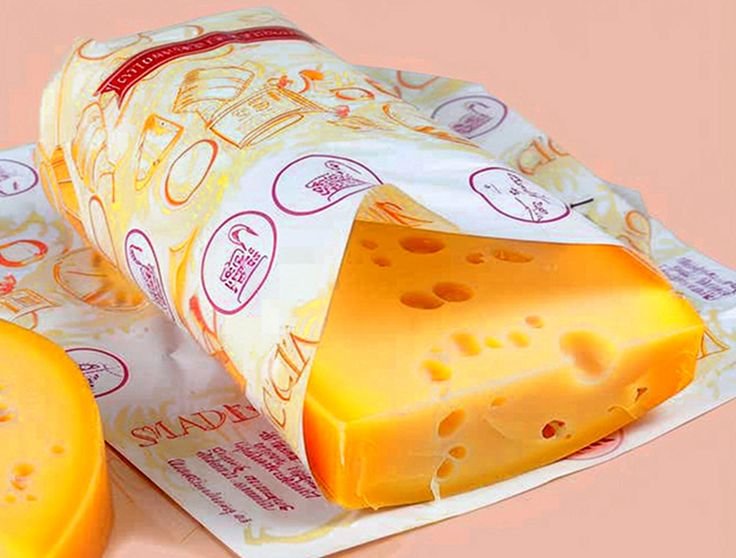
Cheese packaging needs to balance presentation, protection, and practicality. Whether a business sells artisan cheese, deli slices, specialty products, or prepared cheese selections, the packaging becomes part of the customer’s experience. Custom cheese paper gives cheese shops, delis, restaurants, markets, and food brands a simple way to improve presentation while reinforcing their identity. Printed logos, patterns, and brand colors can turn ordinary wrapping into a recognizable part of the product.
What Is Custom Cheese Paper?
Cheese paper is packaging material used to wrap or separate cheese products during storage, display, and sale, depending on the specific material and application. eco friendly cheese paper adds personalized printing to the packaging, allowing businesses to showcase their branding directly around the product. It can be produced in different sizes and designs based on the cheese format and wrapping method. The material should always be selected according to the cheese type, moisture level, storage requirements, and intended food-contact use.
Packaging Designed Around Different Cheese Products
Cheese products come in many forms, including blocks, wedges, wheels, slices, portions, and prepared selections. Cheese packaging paper can be customized or selected to suit different product formats and wrapping styles. A small sheet may work for individual portions, while larger sheets may be needed for wedges or larger pieces. Businesses should consider the dimensions and shape of the product before choosing the paper size. A suitable fit can make wrapping easier while reducing unnecessary material.
Cheese Paper With Logo Builds Brand Recognition
Branding can make a major difference for specialty food businesses. Cheese paper with logo printing allows a cheese shop or food brand to place its identity directly on the product wrapping. A repeating logo pattern can create a sophisticated look without overwhelming the cheese itself. Businesses can also combine the logo with brand colors, illustrations, or short messages. Consistent branding across cheese paper, labels, boxes, bags, and other packaging can create a stronger overall identity.
Custom Printed Cheese Paper for Specialty Shops
Artisan and specialty cheese businesses often focus heavily on product quality and presentation. Custom printed cheese paper can support that positioning by giving each wrapped product a more distinctive appearance. A carefully designed pattern can make the packaging feel more premium while helping customers recognize the business. Shops can choose artwork that reflects their personality, from traditional and rustic designs to modern and minimalist styles. The packaging should complement the product rather than distract from it.
Greaseproof Cheese Paper for Practical Wrapping
Some cheese products can contain oils or surface moisture that affect ordinary paper. Greaseproof cheese paper may be suitable for applications where resistance to grease is important. The correct material depends on the cheese type and how the product will be stored, displayed, wrapped, or transported. Businesses should confirm the paper’s performance characteristics with the supplier before ordering. Food-contact suitability should also be verified for the specific application.
Cheese Wrapping Paper for Deli Counters
Delis and food counters often need packaging that allows staff to wrap products quickly and consistently. Deli cheese paper can be used for individual portions, sliced cheese, prepared cheese selections, and other suitable products. Pre-sized sheets can help employees maintain a consistent wrapping process during busy periods. Printed branding adds another benefit by making the package recognizable after the customer leaves the store. This combination of efficiency and presentation can be valuable for high-volume food businesses.
Create a Premium Look for Artisan Cheese
Packaging can influence how customers perceive specialty food products. Branded cheese paper with elegant typography, botanical illustrations, subtle patterns, or natural colors can create a refined presentation for artisan cheese. Kraft-style materials may suit rustic brands, while clean white or premium papers can complement modern specialty food businesses. The design should communicate the brand’s personality while keeping essential product information easy to understand. Good packaging can make a carefully produced cheese feel even more special.
Cheese Wrapping Sheets for Faster Service
Busy cheese shops can benefit from having wrapping materials prepared in convenient formats. Cheese wrapping sheets can be supplied in suitable dimensions for common product sizes, allowing employees to wrap orders more efficiently. Standardized sheets can also reduce the need for cutting paper during service. Businesses with several product sizes may choose a small selection of sheet dimensions rather than using one oversized sheet for everything. This can help improve both packaging consistency and material efficiency.
Use Printed Food Paper Across Your Brand
Cheese businesses often sell more than cheese alone. They may offer crackers, meats, spreads, bread, gifts, or prepared food selections. Printed food paper can be part of a wider packaging system that connects these products visually. A consistent logo pattern or brand design can be adapted across different food packaging applications. This creates a cohesive appearance without requiring every product to use an entirely different package. The result is a stronger and more recognizable brand experience.
Cheese Shop Packaging That Supports Retail Presentation
In specialty stores, packaging can influence how products look when displayed for customers. Cheese shop packaging can use custom printing to create a recognizable appearance across a product range. Clear product labels can identify varieties while branded paper creates consistency underneath. Businesses can coordinate the paper with stickers, tags, boxes, and display materials. A unified presentation can make the shop appear more organized and professional while reinforcing its unique identity.
Food Safety Should Guide Material Selection
Cheese is a food product, so packaging material selection should be based on the intended application. Businesses should confirm that the chosen paper is appropriate for food contact where direct contact occurs and that any coatings or printing systems are suitable for the use. Moisture, grease, temperature, and storage conditions can all affect material performance. The packaging supplier should provide relevant specifications and compliance information. Attractive printing should never come before the basic requirements of food-safe packaging.
Custom Cheese Paper for Takeaway and Gift Sets
Specialty cheese businesses often create gift boxes, tasting selections, and takeaway assortments. Custom food wrapping paper can add a branded layer inside boxes or around individual cheese portions. This can make gift packaging feel more complete and create a stronger connection between the product and the business. Custom paper can also be coordinated with ribbons, stickers, cards, and outer boxes. For premium gift sets, a consistent visual identity can significantly improve the overall presentation.
Eco Friendly Cheese Paper Options
Sustainability is increasingly important for food brands and customers. Businesses may explore eco friendly cheese paper options that align with their packaging goals. However, the environmental characteristics of packaging depend on factors such as paper sourcing, coatings, inks, manufacturing, recyclability, and disposal. Businesses should review the complete material specification rather than relying only on general sustainability claims. The selected paper should still meet the functional and food-contact requirements of the cheese product.
Custom Cheese Paper for Farmers’ Markets and Local Brands
Small cheese producers and local food businesses can use custom packaging to create a more professional market presence. Custom cheese paper can feature the producer’s logo, farm-inspired artwork, product name, or regional branding. This makes the packaging useful at farmers’ markets, specialty stores, food fairs, and direct-to-consumer sales. A distinctive package can also help customers remember the producer after the purchase. For smaller brands, simple and consistent packaging can create a strong visual identity without excessive design complexity.
Cheese Paper Wholesale for High-Volume Businesses
Businesses with regular cheese packaging needs may consider cheese paper wholesale orders. Bulk purchasing can help maintain a consistent supply for cheese shops, delis, food manufacturers, restaurants, and distributors. Before ordering large quantities, businesses should estimate product volume, seasonal demand, storage capacity, and the number of sizes required. It may also be useful to test the paper with real cheese products before committing to a large production run. This can help confirm that the material and design work well in daily operations.
How to Choose the Right Custom Cheese Paper
Start by identifying the cheese products you need to package and how they will be handled after wrapping. Consider product dimensions, grease, moisture, storage conditions, and whether the Custom paper design no minimum will directly contact the food. Select a paper size that allows efficient wrapping without excessive overlap or waste. For branding, keep the logo recognizable and choose artwork that matches the character of your business. Always review material specifications and, where possible, test a sample before placing a large order.
Why Custom Cheese Paper Is a Smart Packaging Choice
Custom cheese paper combines practical food wrapping with brand presentation. It can help cheese shops, delis, artisan producers, and food brands create a more consistent appearance while giving customers a recognizable package to take home. Custom printing can make even a simple cheese portion feel more carefully presented. When the right material, size, and design are selected, the paper becomes more than a protective layer—it becomes part of the product experience.
FAQs About Custom Cheese Paper
What is custom cheese paper used for?
It is used to wrap or package suitable cheese products while providing an opportunity for branded presentation. The appropriate material depends on the cheese and intended application.
Can cheese paper be printed with a logo?
Yes. Custom cheese paper can feature logos, brand colors, repeating patterns, illustrations, and other suitable artwork.
Is custom cheese paper greaseproof?
Some cheese papers offer grease-resistant or greaseproof properties. The correct option depends on the product, so businesses should confirm the material specifications before ordering.
Can cheese shops use custom printed paper?
Yes. Cheese shops can use printed paper for individual portions, wedges, slices, gift sets, and other suitable cheese products.
Is cheese paper safe for direct food contact?
Some products are specifically designed for food-contact applications. Businesses should confirm that the paper, coatings, and printing system are suitable for the intended use.
Can I choose custom sizes?
Yes. Custom or multiple sheet sizes can be selected based on the dimensions and wrapping style of the cheese products.
Can kraft paper be used for cheese packaging?
Kraft-style paper may be suitable for certain cheese packaging applications, depending on its construction and food-contact specifications. It can also create a natural appearance for artisan brands.
Can custom cheese paper be used for gift boxes?
Yes. It can be used as an inner wrapping layer for cheese gift boxes and tasting sets, helping create a more complete branded presentation.
Is eco friendly cheese paper available?
Eco-focused options may be available depending on the supplier. Businesses should review the material composition, coatings, inks, sourcing, recyclability, and disposal characteristics.
Can I order cheese paper wholesale?
Yes. Wholesale quantities can be useful for cheese shops, delis, producers, restaurants, and food businesses with regular packaging requirements.