Free shipping on orders above Rs. 1000
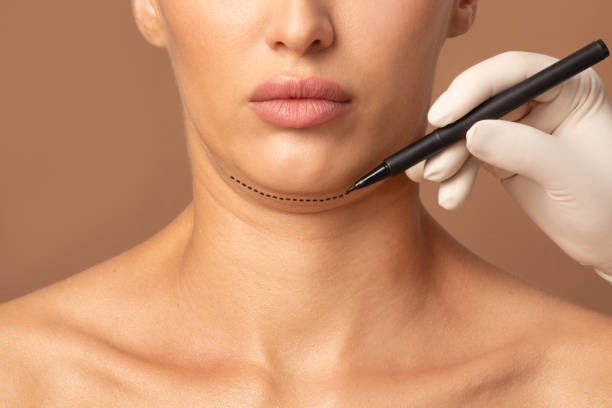
Double Chin Removal in Abu Dhabi

Ultrasound-Guided Precision in Double Chin Removal in Abu Dhabi

Introduction to Ultrasound Innovation in Modern Aesthetics

Advancements in medical imaging technologies have significantly transformed the field of aesthetic medicine, enabling clinicians to achieve higher levels of precision and predictability. Among these innovations, ultrasound-guided methodologies are gaining attention for their ability to enhance accuracy in delicate treatment areas. The submental region, commonly associated with fullness beneath the chin, presents unique anatomical complexities that require careful evaluation before intervention. The growing popularity of Double Chin Removal in Abu Dhabi reflects a shift toward treatments that prioritize both safety and subtle refinement. Ultrasound guidance supports practitioners in visualizing tissue layers in real time, allowing a more controlled and individualized approach to contour enhancement.

The increasing preference for refined aesthetic outcomes has contributed to the adoption of imaging-supported techniques that minimize uncertainty during treatment planning. By providing detailed insights into fat distribution and tissue composition, ultrasound-guided procedures support tailored interventions aligned with each patient’s facial structure. This precision-driven philosophy represents an important evolution in aesthetic methodology.

Understanding the Submental Region Through Advanced Imaging

The area beneath the chin consists of multiple structural layers that influence facial proportions and jawline definition. Skin thickness, connective tissue integrity, fat compartment depth, and muscular positioning all contribute to the overall contour of the lower face. Traditional assessment methods relied heavily on visual examination and manual palpation, which may not fully reveal variations in tissue distribution. Ultrasound imaging introduces a more detailed perspective by allowing practitioners to evaluate the internal characteristics of the treatment area before initiating the procedure.

Double Chin Removal in Abu Dhabi increasingly benefits from this level of anatomical clarity. High-resolution imaging assists in identifying the exact location and density of submental fat deposits, supporting more accurate treatment planning. This detailed evaluation enables clinicians to avoid unnecessary tissue disruption and maintain structural harmony between treated and surrounding areas.

Real-Time Visualization Enhancing Treatment Accuracy

Ultrasound-guided techniques provide real-time visualization that supports improved accuracy during contouring procedures. The ability to observe tissue layers as treatment is performed allows clinicians to adjust depth, angle, and intensity with greater control. This dynamic feedback system contributes to more consistent outcomes by ensuring that targeted tissues receive precise intervention while surrounding structures remain unaffected.

Precision is particularly important in areas where small variations in tissue distribution can influence overall facial balance. Ultrasound imaging enables practitioners to track changes in tissue response throughout the procedure, allowing gradual refinement rather than aggressive alteration. This approach aligns with contemporary aesthetic goals that emphasize natural transitions between facial contours.

Precision Fat Targeting and Tissue Preservation

One of the defining advantages of ultrasound-guided contouring is the ability to selectively address localized fat deposits while preserving adjacent anatomical structures. Targeted fat reduction contributes to smoother transitions between the chin and neck, supporting a balanced jawline profile. In Double Chin Removal in Abu Dhabi, ultrasound-assisted techniques enable practitioners to identify optimal treatment zones, minimizing the likelihood of uneven results.

By distinguishing between fat layers and connective tissue structures, ultrasound guidance promotes a more conservative approach to contour modification. Tissue preservation plays a crucial role in maintaining natural facial movement and expression. Precision targeting reduces the risk of irregularities and supports gradual enhancement that complements existing facial features.

Personalized Contouring Strategies Supported by Imaging

Personalization remains a central principle in modern aesthetic medicine. Ultrasound imaging contributes to individualized contouring strategies by allowing clinicians to design treatment pathways based on unique anatomical characteristics. Factors such as skin elasticity, fat distribution patterns, and muscle positioning influence how the submental region responds to intervention.

Double Chin Removal in Abu Dhabi increasingly incorporates imaging-supported customization, enabling practitioners to determine the most suitable combination of techniques for each patient. This tailored approach supports more predictable outcomes and enhances patient confidence in the treatment process. Personalized planning also encourages realistic expectations by providing visual representation of potential contour adjustments.

Minimally Invasive Techniques and Controlled Refinement

Minimally invasive procedures continue to gain prominence due to their ability to deliver subtle improvements with reduced downtime. Ultrasound-guided technologies complement these procedures by providing detailed insights that support controlled refinement. Treatments designed to gradually reduce submental fullness allow the skin to adapt naturally to structural changes, contributing to smoother contour transitions.

Precision tools assist clinicians in adjusting treatment intensity according to tissue responsiveness, ensuring balanced results that align with individual aesthetic goals. Double Chin Removal in Abu Dhabi increasingly reflects this philosophy of progressive enhancement, where the emphasis lies in maintaining natural harmony rather than dramatic alteration.

Integration of Skin Tightening Technologies

Effective contouring of the submental region involves consideration of both fat reduction and skin quality. Skin elasticity plays an important role in determining the final appearance of the jawline, as the skin must adapt to changes in underlying tissue volume. Ultrasound-supported evaluation helps practitioners assess dermal characteristics before selecting complementary technologies that support collagen stimulation and tissue firmness.

Combining precision fat targeting with skin tightening strategies contributes to comprehensive contour improvement. Double Chin Removal in Abu Dhabi often involves multi-layer planning that addresses both structural and surface-level factors. This integrated approach enhances overall aesthetic coherence and supports long-term stability of results.

Enhancing Symmetry and Facial Proportion

Facial symmetry significantly influences perceived attractiveness and balance. Even minor variations in contour distribution can impact the relationship between the chin, neck, and jawline. Ultrasound imaging allows practitioners to evaluate subtle asymmetries that may not be immediately visible through external examination alone.

Precision contouring strategies supported by imaging enable clinicians to refine structural balance with greater sensitivity. Double Chin Removal in Abu Dhabi increasingly focuses on maintaining proportional harmony between facial thirds, ensuring that contour adjustments complement the broader facial framework. This approach supports results that appear natural and aligned with individual identity.

Future Developments in Imaging-Supported Aesthetic Techniques

Technological progress continues to expand possibilities within aesthetic medicine. Emerging developments in artificial intelligence and predictive modeling may further enhance ultrasound imaging capabilities, enabling more detailed analysis of tissue behavior. Advanced software systems may assist clinicians in visualizing projected outcomes with greater accuracy, supporting improved communication and treatment planning.

The evolution of Double Chin Removal in Abu Dhabi reflects a broader movement toward precision-driven innovation. As imaging technology becomes more sophisticated, practitioners may gain deeper insights into anatomical variations, enabling increasingly refined contouring strategies. These advancements suggest a future in which personalized aesthetic care continues to improve in both effectiveness and safety.

Conclusion: The Value of Ultrasound-Guided Precision in Aesthetic Refinement

Ultrasound-guided methodologies represent a significant advancement in the pursuit of balanced and natural-looking contour enhancement. By enabling detailed visualization of tissue layers, these technologies support more accurate treatment planning and controlled refinement. Double Chin Removal in Abu Dhabi demonstrates how imaging-supported precision contributes to improved aesthetic harmony while preserving structural integrity.

The integration of real-time imaging, personalized treatment mapping, and minimally invasive techniques reflects a comprehensive approach to modern facial aesthetics. As innovation continues to shape the future of aesthetic medicine, ultrasound-guided precision is likely to remain an essential component in achieving subtle yet impactful contour improvements that respect natural facial proportions.
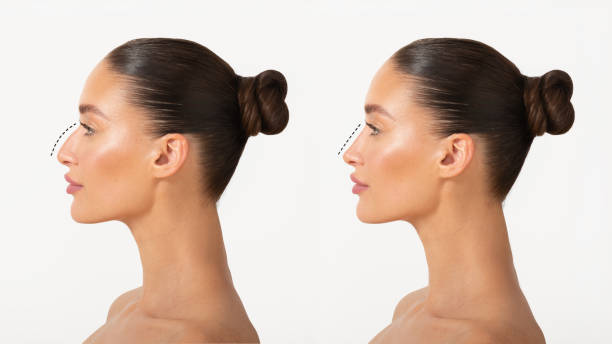

Rhinoplasty in Riyadh

Scar-Minimizing Techniques in Rhinoplasty in Riyadh

Introduction to Scar-Conscious Rhinoplasty Approaches

Modern aesthetic surgery increasingly emphasizes refinement that enhances natural beauty while minimizing visible signs of intervention. Among the most important considerations in nasal surgery is the reduction of noticeable scarring through precise surgical planning and advanced tissue-handling techniques. The growing demand for Rhinoplasty in Riyadh reflects a preference for sophisticated procedures that prioritize subtlety, skin preservation, and balanced healing outcomes. Scar-minimizing techniques represent a significant advancement in contemporary rhinoplasty philosophy, focusing on achieving structural improvement while maintaining smooth and natural-looking skin surfaces.

Patients today seek results that appear harmonious with their facial features without revealing obvious indications of surgery. This expectation has encouraged surgeons to adopt refined incision placement strategies and innovative closure methods designed to support optimal healing conditions. Minimizing scar visibility contributes to confidence in the aesthetic process and aligns with the broader movement toward precision-based surgical refinement.

Understanding Skin Healing Dynamics in Nasal Surgery

Skin healing is influenced by multiple biological processes that determine how incision sites respond to surgical intervention. Collagen production, tissue regeneration, and inflammatory responses collectively shape the appearance of healed skin. The nasal region presents unique considerations due to variations in skin thickness and vascular supply across different anatomical zones.

Rhinoplasty increasingly involves detailed assessment of individual skin characteristics before selecting surgical approaches. Surgeons evaluate dermal resilience, elasticity, and healing tendencies to determine the most suitable incision techniques. Understanding how skin responds to controlled surgical modification allows clinicians to create conditions that support smoother healing transitions and reduced scar visibility.

Precision Incision Placement for Minimal Visibility

The location and design of surgical incisions play a crucial role in determining the final appearance of healed tissue. Precision incision placement allows surgeons to position openings in areas where natural anatomical contours help conceal evidence of intervention. Strategic alignment with existing skin creases or shadowed regions contributes to less noticeable scarring.

Rhinoplasty in Riyadh often incorporates carefully planned incision pathways that preserve natural skin continuity. Techniques designed to reduce tension on incision sites support improved healing outcomes. By minimizing mechanical stress on the skin during recovery, surgeons enhance the likelihood of refined and subtle scar appearance.

Closed Rhinoplasty Techniques and Tissue Preservation

Closed rhinoplasty methodologies are frequently associated with reduced external scarring due to the placement of incisions within the nasal structure. This internal approach allows surgeons to perform structural refinement without creating visible external openings. Tissue preservation strategies further contribute to smoother healing and reduced disruption of surrounding skin surfaces.

Rhinoplasty in Riyadh increasingly reflects the use of minimally invasive surgical concepts that aim to maintain natural skin integrity. Controlled manipulation of underlying cartilage and bone structures allows contour refinement while protecting the external skin envelope. Tissue preservation plays a central role in reducing the likelihood of noticeable scar formation.

Advanced Suturing Methods Supporting Refined Healing

Suturing techniques significantly influence how incision sites heal over time. Precision closure methods aim to align skin edges accurately, promoting smooth tissue integration. Fine suturing materials and layered closure strategies help distribute tension evenly across the healing site, reducing the risk of irregular scar texture.

Rhinoplasty in Riyadh often incorporates advanced suturing protocols designed to encourage balanced tissue recovery. Careful approximation of skin layers supports improved collagen organization during the healing process. This attention to detail contributes to subtle scar appearance that blends naturally with surrounding skin.

Role of Minimally Traumatic Surgical Instrumentation

Reducing tissue trauma during surgery is an essential component of scar-minimizing methodology. Modern surgical instruments allow surgeons to perform precise structural modifications with minimal disruption to adjacent tissues. Ultrasonic devices and refined cutting tools contribute to controlled reshaping of cartilage and bone structures.

Rhinoplasty in Riyadh increasingly benefits from technological innovation that supports delicate surgical manipulation. Minimizing mechanical stress on the skin promotes improved healing conditions and enhances the quality of post-procedure tissue recovery. Gentle handling techniques reflect the broader commitment to precision in aesthetic surgery.

Importance of Skin Thickness in Scar Formation

Skin thickness varies across different areas of the nose and influences how scars develop during the healing process. Thicker skin may demonstrate increased resilience, while thinner skin may require more careful surgical handling to prevent visible textural changes. Understanding these variations supports the selection of techniques that align with individual anatomical characteristics.

In Rhinoplasty in Riyadh, surgeons evaluate skin properties to determine appropriate contouring strategies that maintain smooth surface transitions. Tailoring surgical methodology according to dermal characteristics contributes to improved scar integration and refined aesthetic outcomes. Individualized planning enhances the predictability of healing responses.

Post-Surgical Healing Environment and Tissue Recovery

The healing environment plays an important role in determining the appearance of surgical scars. Controlled recovery conditions support balanced collagen formation and help maintain consistent tissue alignment. Factors such as reduced tension, proper skin support, and gradual adaptation to structural changes contribute to improved healing outcomes.

Rhinoplasty in Riyadh often emphasizes structured post-surgical care protocols that encourage stable tissue recovery. Maintaining optimal healing conditions supports smoother skin texture and reduces the likelihood of prominent scar formation. The integration of recovery-focused planning reflects a comprehensive approach to aesthetic refinement.

Structural Preservation and Natural Contour Continuity

Scar-minimizing strategies often align with preservation-focused surgical philosophies that prioritize maintaining structural continuity. Excessive modification of nasal tissues may increase tension on the skin surface, potentially affecting healing quality. Conservative reshaping approaches support natural contour transitions while protecting dermal integrity.

Rhinoplasty in Riyadh increasingly reflects the importance of balanced structural modification that respects the natural architecture of the nose. Maintaining continuity between nasal regions contributes to refined aesthetic results that appear consistent from multiple viewing angles. Structural preservation enhances both functional stability and cosmetic harmony.

Integration of Technology in Scar Reduction Planning

Digital imaging and advanced visualization technologies assist surgeons in planning incision placement with increased precision. High-resolution analysis tools allow clinicians to evaluate how structural adjustments may influence skin tension and healing pathways. Predictive planning supports more accurate identification of optimal surgical approaches.

Rhinoplasty in Riyadh demonstrates how technological innovation contributes to improved scar-minimization strategies. Visualization systems assist in mapping contour changes that maintain skin smoothness and support balanced recovery. Integrating digital planning tools enhances the ability to achieve refined and discreet results.

Future Directions in Scar-Minimizing Rhinoplasty Techniques

Ongoing research continues to expand understanding of tissue healing and regenerative processes. Emerging developments in bioengineering and regenerative medicine may further improve the ability to support skin recovery following surgical procedures. Advanced biomaterials and refined surgical instruments may contribute to enhanced precision in incision management.

The evolution of Rhinoplasty in Riyadh reflects the broader progression of aesthetic medicine toward subtle and natural-looking outcomes. Future innovations are expected to improve both surgical efficiency and tissue recovery, supporting increasingly refined scar-minimization strategies. Continuous advancement in surgical science contributes to greater confidence in aesthetic procedures.

Conclusion: Precision as the Key to Minimal Scar Visibility

Scar-minimizing techniques represent a crucial component of modern rhinoplasty philosophy, emphasizing the importance of refined surgical planning and careful tissue management. By combining precision incision placement, minimally traumatic instrumentation, and advanced suturing strategies, surgeons are able to support balanced healing outcomes. Rhinoplasty in Riyadh highlights the growing importance of subtle enhancement approaches that maintain natural skin integrity.

The integration of preservation-focused methodology and technological innovation reflects the sophistication of contemporary nasal surgery. Scar-conscious techniques contribute to aesthetic results that appear harmonious and discreet, allowing structural improvements to blend seamlessly with individual facial characteristics. Precision-driven approaches continue to shape the future of rhinoplasty, supporting refined outcomes that align with modern aesthetic expectations.

Shopping cart close