How Flexible Packaging Is Creating New Opportunities for Businesses
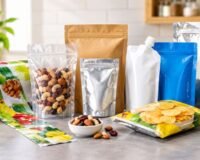
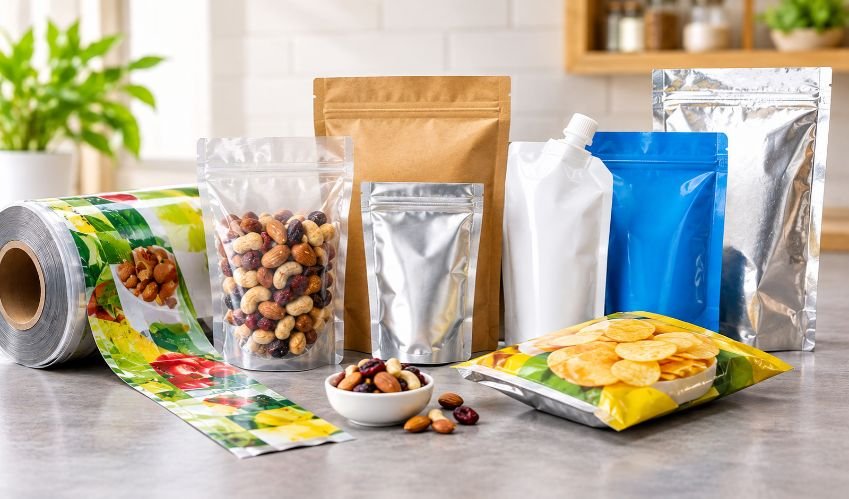
Flexible Packaging is set to play a bigger role in the packaging Industry flexible packaging due to the demand of innovative and easy to use yet economical and packaging formats, Flexible packaging is gaining popularity in the packaging world. Flexible packaging/shippers can be made from laminates, papers, plastic films, aluminium foils and a host of other flexible materials.
Flexible packaging is on the rise and presenting new opportunities across a range of sectors including food and beverage, personal care, pharma, household products and other consumer industries. Companies are leveraging these formats to make products more convenient, transport them more efficiently and meet rising consumer demands. Alongside these developments, advances in packaging materials and printing technology are enabling companies to develop more innovative, functional and attractive packaging.
Flexible Packaging Market Growth Creating Business Opportunities
According to the latest report by Expert Market Research, the global flexible packaging market was valued at USD 278.60 Billion in 2025 and is projected to reach USD 445.24 Billion by 2035, expanding at a CAGR of 4.80% between 2026 and 2035.
This translates into an increased number of packaging equipment manufacturing, material production, printing, converting and other similar technologies business opportunities. With the continuous emergence of new products in different industries and the frequent introduction of new packaging forms, the demand for flexible solutions will also increase.
This opens up possibilities for the manufacturers to innovate for specialised packaging according to the requirements of the product. As an example, food manufacturers may prefer a package that offers moisture and oxygen barriers, but pharmaceutical manufacturing may concentrate on package protection, hygiene, and stability – and these requirements are inspiring packaging innovators for different applications.
Rising Demand for Convenient Packaging
Consumer lifestyles are moving quickly, and convenience plays a key factor when buying and using products. Flexible packaging meets this requirement through the presence of lightweight pouches, resealable bags, disposable sachets and easy-to-open formats.
Convenience-led packaging offers opportunities for brands to make packaging stand out in busy environments; resealable packaging may help consumers to store a product after opening, and portable smaller formats may be used for on-the-go consumption.
The F&B industry has a huge opportunity here. They are already switching to packaging formats that are easy to carry, open, consume, and store – snacks, ready-to-eat meals, frozen foods, drinks, sauces, and others. As you see rising consumption, it’s the time for you to try a new packaging format to make food easier to consume.
Opportunities Through Lightweight Packaging
Lightweight flexible packaging also has a key benefit: it’s lightweight. In comparison to many rigid formats, flexible packaging generally uses less material and takes up less space in transit and storage.
This could present an opportunity for companies to optimise the packaging process across the supply chain. According to the product and the packaging design, lightweight packaging offers the possibility to carry more stock of the product in the same space.
Smaller packaging can be easier for retailers and ecommerce companies too, as products need to be shipped, stacked and moved as products along distribution channels. Manufacturers may look at flexible packaging options that still ensure product integrity and its conveyance and warehousing.
Customisation and Brand Differentiation
Packaging can be used as a means of communication for industry too. Flexible packaging provides some exciting options for the industry to get experimental with different shapes, sizes, colours, finishes and printing.
Customers are able to see product info, logos, images, directions and other details on the packaging when printed in high quality. This offers companies more opportunities to create eye-catching product displays in stores and e-commerce channels.
For smaller and new brands flexible packaging can offer a way to create packaging that is aligned to your brand, avoiding the need to use traditional rigid packs. Custom pack pouches and bags can be created for each product range and target audience.
Growth of E-Commerce Supporting Flexible Packaging
Another avenue is set to open up for flexible packaging firms, as the growth of the e-commerce sector is driving demand for reliable, protection-providing packaging that can be shipped with ease.
Flexible packaging is ideal for products where rigid containers are not a requirement. Their light weight and space-saving characteristics can encourage companies to explore other packaging options for its fulfilment and shipping.
Many e-commerce brands are also turning their attention to the unboxing experience. Creating visually appealing, flexible packaging can not only protect your product but provides a great canvas to help communicate your brand’s story.
Sustainability Driving Packaging Innovation
Innovation in Sustainable Flex Pack Sustainability is rapidly emerging as an important focus area for innovative companies within the flexible industry. Packaging waste, material consumption, recyclability and resource efficiency are becoming focal points for companies, consumers and regulators.
This is prompting packaging converters to consider recyclable constructs, mono-material offerings, bio-based materials, down-gauged films, and other strategies to improve the functional and environmental profile of packages.
For companies, this provides new incentives to fund new materials and technologies that meet changing market needs. Sustainable solutions also need to look at the whole packaging lifecycle, however, from protecting the product to material recovery, the transport network and overall resources.
Businesses that are able to optimize packaging to meet a need for functionality, price, food protection and sustainability could unlock new markets in a number of sectors.
Flexible Packaging Supporting Product Innovation
Flexible packaging vendors are also benefiting from new product categories. Several companies are introducing new products in all shapes and sizes to meet consumers’ diverse needs. Packaging firms will need to offer solutions that are appropriate.
Flexible packaging can be designed with a range of size options: Sachets, small pouches for trial size, travel and single serve applications Larger flexible bags for household products, pet food and other bulk consumer goods.
Such flexibility gives companies the opportunity to experiment with various product format and pack size options. Market expansion can also be achieved through the use of variations in pack and size options, catering for different consumers and purchase occasions.
Technology Creating New Packaging Opportunities
Technology is revolutionising the way in which flexible packaging is designed and created. Digital printing, upgraded barrier properties, automation and enhanced conversion technologies are enabling producers to create increasingly complex pack formats.
Digital printing may enable shorter production runs and increased flexibility in the design of packaging. This has the potential to be advantageous for businesses trying out new products, or for companies that wish to introduce the packaging for a product in a limited edition.
Smart packaging can incorporate features like QR codes or similar digitally connected mechanisms, giving consumers a chance to receive more information about the product and a way of engaging with the brand.
Automation and new manufacturing technologies could also support more efficient and more uniform manufacturing of the products. As these technologies evolve, packaging companies can enhance their capabilities while also offering more tailored customer solutions.
Expanding Applications Across Industries
Flexible Packaging Industry Is Growing Not just food & beverages but even pharmaceuticals, personal care & cosmetics, household items, agriculture and more.
In pharmaceuticals, flexible formats can enable the packaging of medicines and other healthcare products where the protection of the content and ease of handling are key. Personal care and cosmetics brands can utilise pouches, sachets and flexible tubes to package products from creams to liquids.
The extensive application base offers packaging firms opportunities to further expand their customer mix. Firms can also create and tailor materials and formats for industries with precise performance needs.
Future Business Opportunities in Flexible Packaging
Trends driving the growth of flexible packaging The trends that will drive flexible packaging growth are evolving consumer needs, technological developments, sustainability demands and wider application. From material innovation to printing, manufacturing and packaging formats, companies at every stage of the packaging value chain have a chance to capitalize.
For brands, flexible packaging offers a convergence of convenience, customisation, product protection and supply-chain efficiency.
For manufacturers of packaging, sustained demand from a number of end-use segments can provide opportunities for new product development and access to new markets.
By keeping pace with the evolution of flexible packaging, companies that focus on their customers’ needs and apply the appropriate technology will be in a position to open new frontiers in packaging design and new markets.
Author Bio
Satiyam Kumar is a digital marketer and SEO expert working at Expert Market Research. He has experience in SEO, content strategy, and digital marketing, with a focus on creating useful, search-friendly content and helping businesses improve their online visibility.