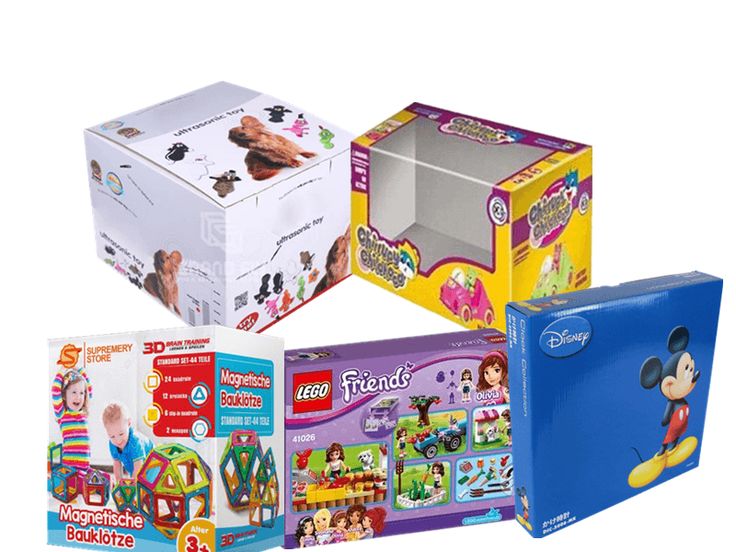
Custom Toy Packaging Solutions That Elevate Brand Presence and Appeal
Custom toy packaging enhances product presentation and brand recognition, offering high-quality design and durability for retail and wholesale markets
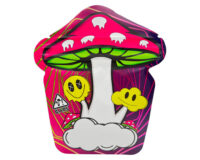
The process of custom toy packaging begins with prudent design that is in harmony with the product and the brand. The first thing that consumers have with the toy is the packaging, which creates perceptions before the user has even opened the toy. The use of color, shape, and material should be carefully thought of so that the packaging can be perceived as a quality, exciting, and trustworthy product. The design process should consider the protection during shipping and be attractive to the visual appearance on shelf stores.
The choice of appropriate printing methods and finishes can make packaging look much better. The use of high-resolution graphics, emboss or matte surfaces, and tightness of die-cuts are added to provide a high level of unboxing experience. Packaging with professionalism and attention to detail is a welcome change for retailers. An effective design will boost repeat buying and brand loyalty, and since a design is important in the long-term, the investment in design is essential.
Material Selection
The choice of materials directly determines the durability, presentation, and consumer perception. The toy is safeguarded by sturdy cardboard, quality paperboard, and laminated finishes, which communicate high quality. The materials should be strong enough and flexible enough to be able to fit a variety of shapes and sizes of custom toy packaging boxes. The sourcing of materials can be made sustainable to enhance efficiency in its operation without interfering with the durability and appeal.
The packaging materials also have an effect on the efficiency of production as well as safety in shipping. Lightweight but strong materials lower the shipping costs, and they eliminate the dangers of damage. Coating and other surface treatments can be used to increase color saturation and touch. Considerate choice in materials used in packaging makes sure that the packaging can work in various situations, and at the same time, it does not alter the brand image.
Brand Integration
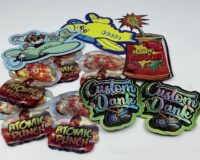
Brand identity is carried on through packaging. Lasting brand values can be strengthened by custom toy packaging that identifies products as soon as they are put on shelves. The use of logos, colours, and design motifs will aid in the development of a unified brand story, which will appeal to the target audiences. Pictorial messages on packaging can convey safety, quality, and fun, which goes in line with the expectations of the consumer in regard to the toys.
Brand integration involves being accurate in the placement of graphics and reproduction of colors. Minor things like the position of the logos or icons also affect the perception of the product in the consumer’s mind. Brand consistency in the packaging of various lines will boost recognition and will build an emotional bond with the purchasers. This is a strategic measure that reinforces the retail and online presence.
Functional Design
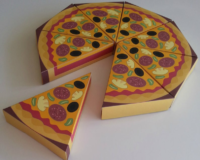
Toy packaging is important for functionality. Boxes should allow the storage, display, and easy transportation, yet be easy to open by consumers. They can be used with inserts, compartments, and windows, which will enable toys to be presented attractively without the need to be handled. Functional design increases customer satisfaction and makes them leave positive reviews.
Durability and ease of use testing are critical aspects of the development of packaging. Re-sealable lids or stackable designs make it easier to use. Aesthetically pleasing and functional packaging will reflect both a careful approach to engineering and a professional image of the market.
Printing Techniques
State-of-the-art printing brings up the look of the toy packaging. Huge pixel prints and color matching ensure that graphics are clear and vivid. The design can be embossed in spot UV, foil stamping, or digitally embossed to add depth and visual interest to the design. High-quality printing supports the idea of the high quality of products and makes it more attractive.
Reliability in production batches is a requirement as it will allow brand integrity. Proper reproduction of colors and graphics would make the products look the same in various levels of retail outlets. High-quality printing techniques are also worth investment to enhance consumer confidence, which portrays concern for details and professionalism.
Cost Management
The major factor that custom toy packaging should consider is quality and cost. Reduced costs can be achieved through optimization of materials, methods of production, and the complexity of design without compromising visual and functional requirements. Wholesale and bulk production gives a chance to attain economies of scale and still offer high standards.
The other aspects of cost management are assessing the supply chain effectiveness and reducing waste. The smooth availability of production schedules and consideration of materials minimizes the overheads and maintains uniform product quality. With the help of strategic budgeting, businesses can provide an attractive package and ensure profit margins and brand equity in the long-term.
Market Adaptation
Toy packaging should change in accordance with the changing customer tastes and retail market trends. The production capabilities should be flexible to support seasonal releases, limited editions, and regional variations. Custom Boxes With Logo The knowledge of market needs facilitates effective brands to pack their products in a way that is based on specific demographics.
Surveillance of competitor strategies and retail demands can keep the packaging situation up to date and competitive. Flexible designs can meet changes in the regulations, presentation limitations, and shipping demands without loss in aesthetic or functional integrity. The presence and attractiveness of the brand and consumer are reinforced by continuous assessment of market trends.
Conclusion
custom toy packaging wrapping has a significant role to play in the packaging of the product, brand awareness, and consumer satisfaction. This is possible because thoughtful design, choice of materials, brand integration, functional engineering, and high-quality printing will combine to produce an impressive unboxing event. Cost-effective companies, and at the same time innovative and responsive to the market, may achieve a competitive edge. Better packaging improves brand image, breeds loyalty, and leads to growth in the retail and wholesale markets in the long term.