Free shipping on orders above Rs. 1000
Custom parchment paper

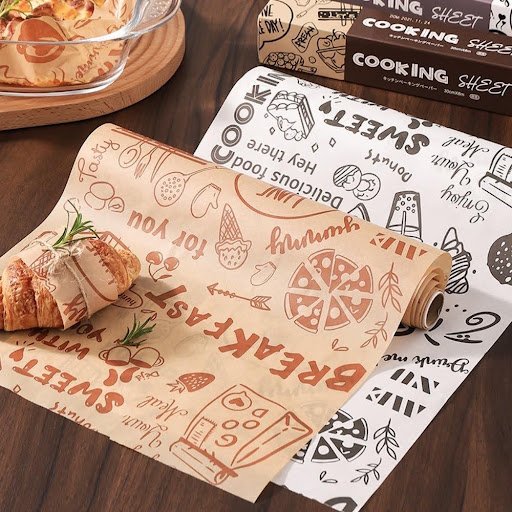
Custom Parchment Paper: The Ultimate Kitchen Secret

Custom parchment paper is one of those small details in food presentation that makes a massive impact on your daily operations. When you serve hot burgers, fresh-baked cookies, or delicate fried foods, the way you wrap them tells a big story to your customers.

Many food businesses rely on plain white wrappers, but switching to personalized sheets gives your brand an instant upgrade without changing your recipe. In this guide, we explore how simple custom-printed parchment paper transforms everyday meal delivery into a memorable dining moment that people love sharing with their friends and family everywhere.

Smart ackaging Solutions

Choosing custom parchment paper wholesale for your food service business helps you save money while maintaining a clean look for every order. Bulk orders keep your kitchen stocked with reliable food-safe sheets, so staff members never run out during busy dinner rushes. Having plenty of wraps on hand allows workers to package hot meals quickly and efficiently without delay. Restaurant owners love how bulk purchasing lowers unit costs while maintaining excellent grease resistance for all types of greasy meals. It is a practical step toward running a smoother operation.

Distinctive Brand Identity

Adding custom parchment paper with a logo design turns ordinary takeaway meals into walking advertisements for your local eatery. Every time a customer unboxes a hot sandwich or shares a picture of their lunch online, your visual identity stands out clearly. The print stays crisp even when exposed to steam heat or oils from freshly cooked foods. This simple touch shows patrons that you care about quality down to the finest details. It creates a lasting impression that brings customers back to your shop again.

Convenient Sheet Options

Using pre-cut custom parchment paper sheets saves valuable prep time in fast-paced commercial kitchens during heavy peak hours. Kitchen workers can grab a single sheet instantly instead of struggling to cut rolls evenly during busy shifts. These individual wraps fit standard tray sizes perfectly, making basket lining and box wrapping neat and effortless. They prevent food from sticking to surface trays while keeping hands completely clean. Efficiency goes up, and waste goes down when your staff relies on uniform pre-cut wrapping supplies every single day.

Versatile Material Spools

Choosing custom parchment paper rolls gives your team maximum flexibility when wrapping items of various shapes and sizes throughout the day. You can tear off exact lengths for small bakery treats or large whole pizzas without wasting extra material. This setup works exceptionally well for deli counters, sandwich assembly stations, and artisan bakeries with irregular items. The continuous material handles messy ingredients smoothly while protecting counters from spills and stubborn stains. It remains a reliable favourite for shops needing custom coverage for every order.

Practical To-Go Packaging

Using custom parchment paper bags keeps baked goods warm and fresh while providing a convenient hand-held option for customers on the go. These sturdy pouches work wonderfully for pastries, French fries, soft pretzels, and breakfast sandwiches served early in the morning. They absorb excess moisture without tearing open or leaving greasy residue on customers’ hands. The durable construction protects delicate food items during transit so snacks arrive intact and looking delicious. It is an easy way to elevate your takeaway service.

Reliable Local Sourcing

Sourcing custom parchment paper USA products ensures fast shipping times and consistent manufacturing standards for your growing culinary establishment. Local production means shorter wait times when you need to restock inventory before major busy seasons or special events. You also support high-quality safety standards that keep food clean and completely free from harmful chemicals. Working with domestic suppliers makes communication simple and stress-free whenever you need design tweaks or quick order updates. It offers pure peace of mind for busy managers.

Protective Outer Wraps

Applying custom parchment wrapping paper around artisan sandwiches and delicate baked goods adds a clean protective layer during delivery. The sturdy material acts as a strong barrier against external dirt and moisture while holding food warmth inside effectively. Customers appreciate opening a neatly wrapped package that looks hygienic and carefully prepared by professional hands. It prevents toppings from shifting around inside delivery boxes so every meal arrives looking picture perfect. This smart wrapper keeps your food looking as good as it tastes.

Tailored Food Solutions

Investing in customized parchment paper allows you to choose exact dimensions, textures, and designs tailored to your custom wax paper for restaurants unique menu items. Whether you run a tiny food truck or a large chain restaurant, tailored wrapping materials fit your specific kitchen requirements easily. You can design seasonal patterns or highlight special promos right on the paper to engage with diners directly. This level of customization shows true dedication to your craft and sets your business apart from typical competition. It turns basic food wrapping into an art form.

Conclusion

Custom parchment paper offers an easy and practical way to elevate your entire food service presentation while keeping kitchen operations running smoothly. From protecting hot meals against grease leaks to displaying your unique logo on every single delivery box, this simple packaging choice yields big results for your brand. 

Investing in high-quality custom parchment paper shows your customers that you value excellence in every single detail of their dining experience. Try upgrading your wrapping materials today and watch how a clean, natural presentation transforms your daily food service for the better.

Lupa Cara Masuk? Ini Langkah Cepat Login Medusa88 Lewat HP

Zaman sekarang, hampir semua hal bisa kita lakukan cuma dari genggaman tangan, termasuk menikmati hiburan online. Nah, buat kamu yang ingin masuk ke akun kamu lewat smartphone tapi masih bingung langkah-langkahnya, jangan khawatir!

Proses Login Medusa88 lewat HP itu sebenarnya sangat simpel dan cepat banget. Yuk, ikuti panduan praktisnya di bawah ini!

Kenapa Lebih Enak Login Lewat HP?

Sebelum masuk ke caranya, ada beberapa alasan kenapa masuk lewat ponsel cerdas jadi pilihan favorit banyak orang:

  • Praktis: Bisa dilakukan di mana saja dan kapan saja, baik saat lagi santai di rumah maupun saat di perjalanan.

  • Tampilan Ringan: Situs Medusa88 sudah menyesuaikan otomatis (responsive) dengan ukuran layar ponsel kamu.

  • Gampang Simpan Data: Kamu bisa memanfaatkan fitur simpan password bawaan HP agar makin cepat masuk di kesempatan berikutnya.

Langkah Cepat Login Medusa88 Lewat HP

Cuma butuh waktu kurang dari semenit, ini dia langkah-langkah mudah yang bisa kamu ikuti:

  1. Buka Aplikasi Browser di HP Kamu

    Kamu bisa pakai Google Chrome, Safari, Firefox, atau browser bawaan ponsel milikmu.

  2. Akses Halaman Utama Medusa88

    Ketik alamat tautan resmi Medusa88 di kolom alamat browser. Pastikan kamu menggunakan link yang aman dan resmi.

  3. Tekan Tombol “Login”

    Di layar HP, tombol Login biasanya ada di bagian atas atau sudut kanan atas layar. Tinggal ketuk tombol tersebut.

  4. Isi Username dan Password

    Masukkan nama pengguna (username) dan kata sandi (password) yang sudah kamu daftarkan sebelumnya. Pastikan tidak ada kesalahan ketik angka atau huruf kapital.

  5. Ketuk “Masuk” / “Login”

    Setelah semua data terisi dengan benar, tekan tombol konfirmasi login. Selesai! Kamu sudah langsung berada di dalam akunmu.

Solusi Jika Mengalami Kendala Saat Login

Kalau tiba-tiba kamu gagal masuk atau lupa kata sandi, jangan panik dulu. Coba lakukan beberapa tips ini:

  • Cek Kembali Tombol Caps Lock: Terkadang huruf kapital yang tidak disengaja bisa membuat kata sandi terbaca salah.

  • Gunakan Fitur “Lupa Password”: Kamu bisa memanfaatkan menu pemulihan yang tersedia di halaman utama.

  • Hubungi Customer Service via Live Chat: Fitur bantuan di situs Medusa88 selalu siap sedia membantu memulihkan akses akunmu dengan cepat dan friendly.

Nah, gampang banget kan? Langsung saja buka browser di HP kamu dan coba langkah-langkah di atas sekarang!

Koleksi Game Modern dari ELK Studios

Perkembangan industri permainan digital membuat standar sebuah game terus mengalami perubahan. Pengguna kini tidak hanya memperhatikan tampilan simbol, tetapi juga tertarik pada tema, karakter, animasi, fitur interaktif, dan cara permainan memberikan pengalaman yang berbeda. Perubahan tersebut mendorong provider untuk menghadirkan konsep yang lebih kreatif dan tidak monoton.

ELK Studios merupakan salah satu pengembang yang dikenal melalui pendekatan modern dalam merancang permainan digital. Koleksinya banyak menampilkan desain yang berani, mekanisme yang variatif, serta tema yang dikembangkan dengan gaya visual kontemporer. Setiap permainan dapat mempunyai karakter berbeda, tetapi tetap menunjukkan perhatian terhadap detail dan pengalaman pengguna.

Identitas Visual yang Kontemporer

Salah satu hal yang mudah diperhatikan dari koleksi ELK Studios adalah penggunaan gaya visual modern. Ilustrasi karakter, latar, simbol, serta animasi dirancang untuk menciptakan tampilan yang bersih sekaligus menarik.

Warna digunakan secara terarah untuk membangun suasana. Permainan bertema futuristis dapat menggunakan warna neon, sementara konsep fantasi dapat menampilkan kombinasi warna yang lebih dramatis.

Identitas visual seperti ini membuat sebuah permainan lebih mudah dibedakan. Di tengah banyaknya game dengan konsep serupa, gaya ilustrasi dan desain antarmuka dapat menjadi bagian penting dari karakter sebuah provider.

Tema yang Tidak Terpaku pada Satu Konsep

Koleksi modern membutuhkan tema yang beragam agar dapat menjangkau selera pengguna yang berbeda. ELK Studios mengembangkan permainan dengan berbagai pendekatan, mulai dari dunia fantasi hingga konsep yang lebih futuristis dan eksperimental.

Tema juga dapat dikembangkan melalui karakter. Tokoh utama tidak hanya menjadi simbol, tetapi dapat berfungsi sebagai bagian dari cerita dan mekanisme.

Keragaman tersebut membuat koleksi permainan tidak terasa seperti menggunakan satu formula berulang. Setiap judul mempunyai ruang untuk mengeksplorasi konsep yang berbeda.

Mekanisme yang Dirancang Lebih Dinamis

Perbedaan antara game modern dan permainan klasik juga terlihat dari mekanismenya. Provider dapat menggunakan fitur tambahan untuk membuat alur permainan lebih dinamis.

ELK Studios dikenal dengan pendekatan mekanisme yang tidak selalu mengikuti format konvensional. Perubahan susunan simbol, fitur tambahan, pengganda, serta rangkaian interaksi dapat digunakan untuk memberikan variasi.

Mekanisme tersebut biasanya dirancang agar sesuai dengan tema. Dengan begitu, fitur tidak terasa seperti tambahan yang berdiri sendiri, tetapi menjadi bagian dari struktur permainan.

Penggunaan Simbol dengan Fungsi Beragam

Simbol dalam permainan modern tidak hanya berfungsi sebagai gambar. Beberapa simbol dapat mempunyai peran khusus dalam mekanisme.

Simbol tertentu dapat menjadi pemicu fitur, memberikan perubahan pada gulungan, atau berhubungan dengan karakter utama. Cara seperti ini membuat simbol lebih mudah dikenali dan memberikan variasi selama permainan berlangsung.

Desain simbol juga disesuaikan dengan tema. Jika permainan menggunakan konsep futuristis, simbol dapat dibuat dengan gaya digital. Pada tema fantasi, simbol dapat berupa artefak, karakter, atau benda ajaib.

Animasi sebagai Elemen Utama

Animasi mempunyai peranan besar dalam membangun pengalaman visual. ELK Studios menggunakan gerakan dan efek untuk memberikan respons terhadap berbagai perubahan yang terjadi.

Karakter dapat bergerak ketika fitur aktif, simbol dapat berubah, dan latar dapat mengalami transisi. Animasi tersebut membantu menjelaskan bahwa terdapat perubahan pada permainan tanpa harus menggunakan teks yang terlalu banyak.

Efek visual juga dapat digunakan untuk memberikan penekanan pada momen tertentu. Kilatan cahaya, perubahan warna, dan gerakan simbol membuat tampilan terasa lebih hidup.

Audio yang Menyesuaikan Tema

Selain visual, suara menjadi bagian penting dari permainan modern. Musik latar membantu menciptakan suasana, sedangkan efek suara memberikan respons terhadap aktivitas tertentu.

Tema futuristis dapat menggunakan suara elektronik, sementara tema petualangan dapat menggunakan musik dengan tempo lebih dramatis. Perbedaan audio tersebut membuat masing-masing permainan memiliki atmosfer tersendiri.

Ketika audio dan animasi dipadukan dengan baik, permainan terasa lebih imersif. Pengguna mendapatkan pengalaman melalui kombinasi gambar, gerakan, dan suara.

Perhatian terhadap Perangkat Mobile

Perangkat mobile telah menjadi bagian penting dari perkembangan game digital. Karena itu, slot depo 5k perlu dirancang agar dapat menyesuaikan diri dengan layar yang lebih kecil.

Koleksi modern membutuhkan antarmuka yang tetap jelas ketika ditampilkan melalui ponsel. Tombol, simbol, informasi, dan animasi harus ditempatkan dengan proporsi yang tepat.

Optimasi juga berkaitan dengan performa. Grafis dan animasi perlu dibuat agar tetap berjalan dengan lancar pada berbagai kemampuan perangkat.

Eksperimen sebagai Ciri Produk Modern

Salah satu ciri industri digital adalah keberanian mencoba sesuatu yang berbeda. Provider tidak hanya mengembangkan variasi tema, tetapi juga bereksperimen dengan format mekanisme dan cara menyampaikan visual.

ELK Studios dapat menggunakan eksperimen tersebut untuk menghasilkan permainan yang mempunyai identitas tersendiri. Konsep baru dapat muncul dari kombinasi tema, simbol, karakter, fitur, dan animasi yang tidak biasa.

Pendekatan eksperimental juga membantu menjaga koleksi agar tidak terasa repetitif. Setiap judul dapat menjadi ruang untuk mencoba ide baru tanpa harus meninggalkan kualitas visual dan teknis.

Perpaduan Desain dan Teknologi

Produk game modern pada akhirnya membutuhkan keseimbangan antara kreativitas dan teknologi. Desain yang menarik harus didukung oleh sistem yang mampu menjalankan animasi, fitur, dan antarmuka secara stabil.

Koleksi ELK Studios menunjukkan bagaimana tema, ilustrasi, karakter, mekanisme, audio, dan teknologi dapat dipadukan menjadi satu pengalaman digital. Setiap judul dapat memiliki gaya tersendiri melalui kombinasi elemen tersebut, sekaligus mengikuti perkembangan kebutuhan pengguna yang semakin terbiasa dengan permainan interaktif dan visual modern.

Mobile Apps

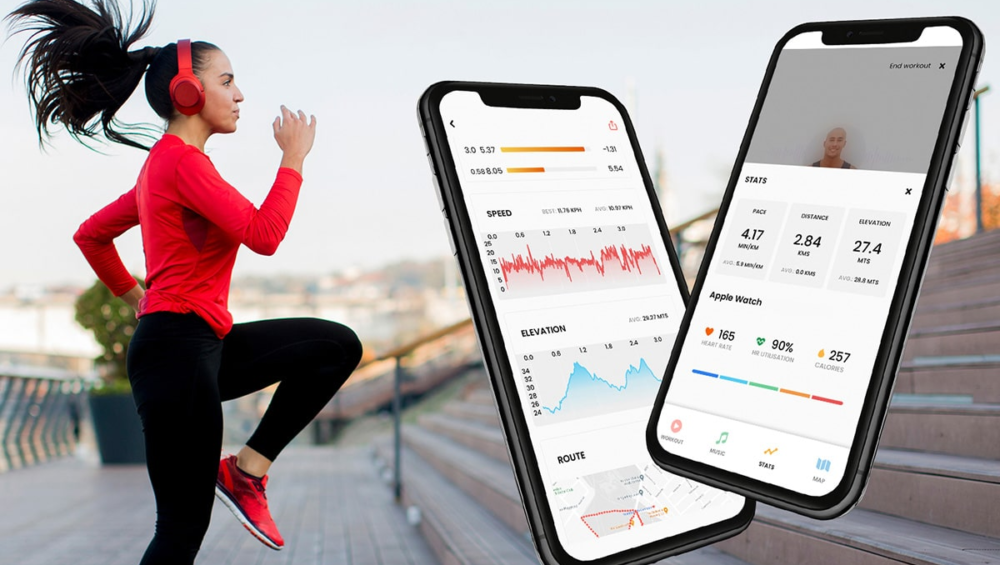
How Mobile Apps Are Helping Athletes Track Their Fitness Goals

Marcus Reid, a 34-year-old accountant in Bristol, signed up for his first half Ironman with a plan scribbled in a notebook and a lot of optimism. Six weeks in, he was exhausted, his swim times had stalled, and he couldn’t say whether he was training too hard or not hard enough. Then he connected his watch to a training app. Within two weeks the picture was clear: he was running every easy session too fast, sleeping five and a half hours on weekdays, and skipping the one workout that mattered most. Nothing about his effort changed. What changed was that he could finally see it.

That clarity is why every serious Mobile App Development company now gets briefs from coaches, clubs, and sports startups asking for tools that turn raw numbers into decisions. Athletes at every level, from Saturday parkrun regulars to professionals, are using apps to measure progress, protect their bodies, and chase specific goals. This guide walks through what those apps track, how they help, where they mislead, and what teams should know before building one.

Why Athletes Need More Than a Stopwatch

Fitness goals sound simple. Run a sub-four-hour marathon, squat your bodyweight twice, finish a triathlon without walking. Reaching them is rarely simple, because progress hides inside dozens of small variables: how much you trained, how well you recovered, what you ate, how you slept, and how hard each session truly felt.

Coaches have always tracked these things on paper. A good one keeps a spreadsheet for each athlete, reviews it weekly, and adjusts the plan. The trouble is scale and speed. A coach with twenty clients can’t watch every heart rate trace in real time, and an athlete training alone has no coach at all.

Apps fill that gap. They log every session automatically, compare it to the plan, and flag patterns a human might miss. Instead of waiting until the end of the week to notice a problem, athletes get the signal the same evening.

The Data Athletes Track Every Day

Modern training apps pull in a lot of information. The most useful categories include:

Pace, distance, and power. GPS watches from Garmin, Polar, Coros, and Apple record routes and speed. Cyclists add power meters, which measure effort in watts and let them train at precise intensities based on functional threshold power, or FTP.

Heart rate and zones. Training in the right heart rate zone matters. Easy days build aerobic base, hard days build speed, and mixing them up leaves you stuck in the middle. Apps display zones live and summarize time spent in each afterward.

Training load. Platforms like TrainingPeaks popularized metrics such as Training Stress Score and the Performance Management Chart, which estimate fitness, fatigue, and form over time. Intervals.icu and Garmin Connect offer similar views. These numbers help athletes taper before race day and avoid piling on too much work too fast.

Strength logs. Apps like Hevy and Strong record sets, reps, and weights, then show progression charts so lifters know when to increase load.

Body metrics. Weight, body composition, resting heart rate, and VO2 max estimates give a long-term picture of change.

Seeing all of this in one place turns scattered workouts into a story with a direction.

Recovery: The Part Athletes Used to Guess

Anyone who has trained hard knows that improvement happens during recovery, not during the session itself. Yet recovery was always the hardest thing to measure.

Wearables like Whoop, Oura Ring, Garmin, and Apple Watch now estimate recovery using heart rate variability, resting heart rate, sleep duration, and sleep stages. Many apps combine those into a daily readiness score that suggests whether to push or ease off.

Marcus found this transformative. On mornings when his readiness score was low, he swapped intervals for a gentle spin. On high-score days he went hard. His workouts felt better, and his lifelong habit of grinding through every session finally changed.

A word of caution applies. Wrist-based sensors and sleep estimates aren’t medical devices, and different brands can disagree with each other. Treat the numbers as trends, not verdicts. If your score says you’re fine but your legs feel like concrete, trust your body and talk to a coach.

Nutrition and Hydration Tracking

Fuel matters as much as training, particularly for endurance athletes. Apps like MyFitnessPal and Cronometer log meals, calories, and macronutrients, while sport-specific tools help plan carbohydrate intake during long events and track hydration.

Athletes training for marathons or triathlons often practice fueling strategies in training, so the gut learns to handle gels and drinks on race day. Logging what worked, and what caused a stomach disaster at kilometer 30, saves a lot of misery later.

There’s a flip side. Tracking every gram can slide into obsession, and athletes in sports with weight pressures, such as running, gymnastics, and combat sports, face higher risks of disordered eating and relative energy deficiency in sport, often called RED-S. If food logging increases anxiety, stop and speak with a sports dietitian. A tool meant to support performance should never harm health.

Goal Setting, Plans, and Periodization

A good goal is specific, measurable, and tied to a date. “Get faster” isn’t one. “Run a 1:45 half marathon on April 12” is.

Apps help by turning goals into structured plans. Runna builds running programs around a target race. TrainingPeaks lets coaches sell and schedule plans with daily workouts. Nike Run Club and Strava offer guided options for different levels. Many break training into phases, such as base, build, peak, and taper, a method known as periodization.

The best apps adapt in real time. Miss a week due to illness and the plan reshuffles. Run faster than expected and the target pace adjusts. That flexibility matches how real life works, since nobody follows a plan perfectly for twelve weeks.

Progress charts keep motivation alive during the long middle stretch. Watching your average pace for the same heart rate drop over months is a powerful reward.

The Coach and Athlete Connection

For athletes who work with coaches, apps have turned feedback from a weekly email into a running conversation. A coach can see a completed workout minutes after it ends, leave a comment, and tweak tomorrow’s session before the athlete even showers.

Athletes add their own notes, like perceived effort, soreness, mood, and sleep quality. That subjective data is valuable because numbers can’t capture everything. Rate of perceived exertion scores, often called RPE, give coaches context for why a session that looked easy on paper felt brutal.

Remote coaching has opened doors too. A runner in Lahore can train under a coach in London. A triathlete in a small town can access expertise that used to require living near a major club. Apps make elite-level guidance more accessible.

Team Sports and Club Performance

Professional and academy teams take tracking further. Companies like Catapult Sports and STATSports supply GPS vests that record distance, sprint counts, accelerations, and impact loads for each player. Coaching staff use dashboards to manage workloads, reduce injury risk, and decide who needs rest before a match.

The same logic filters down to schools and amateur clubs through simpler apps that log attendance, fitness tests, and match stats. Youth academies can track growth spurts and adjust training to protect developing bodies.

Data doesn’t replace coaching judgment, but it sharpens it. A physio noticing a player’s sprint output dropping over three weeks can intervene before a hamstring tears.

Community, Accountability, and Motivation

Training can feel lonely. Strava reshaped that by turning workouts into a social feed. Friends send kudos, clubs run monthly challenges, and segment leaderboards add friendly rivalry. Zwift made indoor cycling a multiplayer experience, with virtual rides and races from the living room.

For many athletes, the knowledge that someone will notice a skipped session is enough to get them out the door on a cold morning. Group goals, like clocking a collective thousand kilometers in a month, add shared purpose.

Building a Custom Training App for Clubs and Coaches

Some organizations outgrow off-the-shelf tools. A running club might want a branded app with member challenges and event sign-ups. A sports academy may need dashboards that combine fitness tests, attendance, and wearable data. A coaching business might want a platform that sells plans and tracks client progress without paying a cut to third parties.

Custom builds usually connect to existing ecosystems instead of reinventing them. Apple HealthKit, Google Health Connect, and the Garmin and Strava APIs let apps pull workout data from the devices athletes already wear. That keeps the experience smooth and saves months of effort.

Planning should include ongoing costs, not just the launch. Mobile App Maintenance Cost commonly lands around fifteen to twenty percent of the original build each year, covering operating system updates, bug fixes, security patches, server hosting, and API changes from partner platforms. Ignoring it leads to apps that break after a phone update and quietly lose users.

A few design principles help:

  • Make logging effortless. If athletes need more than a few taps, they’ll stop.
  • Show one clear takeaway. A dashboard full of charts confuses people. Highlight the next action.
  • Protect data. Health and location information is sensitive. Follow GDPR and local privacy rules, and give users control over sharing.
  • Support offline use. Trails, gyms, and pools often have poor signal.
  • Let athletes own their data. Easy export builds trust.

Pitfalls to Avoid

Tracking is powerful, but it has traps.

Data overload. More metrics don’t equal better decisions. Pick a few that matter for your goal.

Chasing numbers. Some athletes become slaves to streaks and scores, training through injury to keep a number alive. Rest days are part of the plan.

Accuracy limits. GPS can drift, optical heart rate sensors struggle in cold or during intervals, and calorie estimates are rough. Use trends rather than single readings.

Privacy risks. Public routes on social apps can reveal where you live or train. Check privacy zones and sharing settings.

Comparison stress. Scrolling through other people’s PBs can sap confidence. Compete with your past self first.

How to Choose the Right App for Your Sport

Start with your main sport. Runners often like Strava, Garmin Connect, or Runna. Cyclists lean toward TrainingPeaks, Zwift, or Intervals.icu. Lifters prefer Hevy or Strong. Triathletes usually combine a training platform with a multisport watch.

Next, check compatibility with your device, since not every app syncs smoothly with every watch. Try the free tier for a couple of weeks. Notice whether it saves time or adds chores. Finally, consider whether you need a human coach, since an app can guide but can’t see your form or notice that you’ve been quietly limping.

Frequently Asked Questions

What is the best app for tracking athletic performance? It depends on the sport. Strava and Garmin Connect suit runners and cyclists, TrainingPeaks fits structured endurance training, and Hevy or Strong work well for strength. Many athletes use more than one.

How do fitness apps measure recovery? They estimate it using heart rate variability, resting heart rate, and sleep data from a wearable, then combine those into a readiness score. These are estimates, not medical measurements.

Can an app replace a personal coach? For tracking and planning, an app covers a lot. For form correction, injury management, and tailored strategy, a human coach adds value. Many athletes use both.

Are fitness trackers accurate enough for serious training? Chest straps and power meters are very accurate. Wrist heart rate and calorie estimates are less so. Use them to watch trends over time.

How do athletes set realistic fitness goals? They pick a specific target with a date, work backward to build a progressive plan, and review data weekly to adjust. Starting from current ability, not wishful thinking, keeps goals achievable.

Is it safe to share workout data publicly? It can reveal your routines and locations. Use privacy zones, limit visibility to followers, and review settings regularly.

Final Thoughts

Athletes have always chased marginal gains. The difference today is that those gains are visible. A phone and a watch can reveal whether a training block is working, whether sleep is slipping, and whether a hard week should be followed by an easy one.

Marcus crossed his half Ironman finish line in a little over six hours, a time he’d have considered fantasy back in January. At the finish he didn’t mention the data first. He said it was the first time he’d felt like he knew what he was doing. That’s what good tracking gives an athlete: not just numbers, but confidence that the work is going somewhere.

Customized Personalized Embroidery Patterns Guide

Some gifts get a quick “thanks” and quietly disappear into a drawer. Others get used every day, kept for years, and passed down. What’s the difference? Usually, it’s personal.

Think about a baby blanket with a newborn’s name and birth date. Or a denim jacket with a grandmother’s handwriting stitched inside the collar. These aren’t just products. They’re memories you can hold.

That’s the power of customized personalized embroidery patterns. They take something ordinary and make it mean something. This guide explains how the process works, what you can create, and how to get results that last a lifetime.

What Are Customized Personalized Embroidery Patterns?

Let’s keep it simple. A customized personalized embroidery pattern is a stitch file made specifically for you or your project. It’s not a template that thousands of other people are using.

Think of it like this. Buying a mass-produced design is like grabbing a greeting card off the shelf. Creating a personalized pattern is like writing a letter by hand. One is convenient. The other actually means something.

These patterns are built stitch by stitch using digitizing software. Every curve, color, and letter is planned before the needle touches fabric. That planning is what makes the final result look clean instead of messy.

Why Customization Changes Everything

You might wonder why personalization matters so much. Here’s the honest answer.

Generic designs are everywhere. Anyone can buy the same floral wreath or the same script font. When everyone has the same thing, nothing feels special.

Customized patterns flip that completely. Here’s what happens when you go custom:

  • The item becomes one of a kind. Nobody else has your exact design.
  • It carries real meaning. A name, a date, a handwritten note. These details matter.
  • It fits your project perfectly. Size, shape, and colors match your item.
  • It makes a better gift. Personalized gifts are kept, not regifted.
  • It tells a story. Every stitch has a reason for being there.

For weddings, memorials, new babies, and milestones, personalization turns a product into a keepsake.

Popular Ideas for Customized Personalized Embroidery

Not sure what to create? Here are ideas people ask for all the time.

  • Baby items – name, birth date, weight, and height on blankets and bibs
  • Wedding keepsakes – couple’s names, wedding date, and venue sketches
  • Memorial pieces – a loved one’s handwriting or signature stitched into fabric
  • Family recipes – grandma’s handwritten recipe preserved on a tea towel
  • Pet portraits – a beloved pet’s face based on a favorite photo
  • Monograms – initials on robes, towels, bags, and luggage
  • Kids’ artwork – a child’s drawing turned into stitched art
  • Anniversary gifts – special dates, song lyrics, or inside jokes
  • Corporate gifts – employee names, milestone dates, and company logos

That kids’ artwork idea is a personal favorite. There’s something special about a wobbly crayon drawing becoming a permanent keepsake.

The Digitizing Process: Where Personalization Begins

Here’s something most people don’t realize. A beautiful design on screen can turn into a disaster on fabric if it’s not digitized properly.

Digitizing is the bridge between your idea and the stitching. It’s a skilled craft, not a push-button task.

A professional digitizer makes dozens of decisions for every design:

  1. Stitch type – satin for borders, fill for large areas, run stitches for fine details
  2. Stitch direction – which way the thread lays affects shine and texture
  3. Underlay – the hidden foundation that keeps fabric stable
  4. Pull compensation – small adjustments so curves don’t distort after stitching
  5. Color sequence – the order colors stitch to minimize thread changes
  6. Density – enough coverage without making the fabric stiff

Get these right, and the design looks printed on. Get them wrong, and you get puckering, gaps, and thread breaks.

At Absolute Digitizing, every file is built by hand with these decisions in mind. That’s what separates a design that works from one that frustrates.

What Makes a Customized Pattern Work Well?

Not all custom patterns are created equal. Here’s what separates a great one from a disappointing one.

Clean Digitizing

Smooth curves. Sharp corners. No jagged edges or random stitches floating in the middle of nowhere.

Proper Density

Too dense, and the fabric gets stiff and holes appear. Too light, and the background shows through. Balance is everything.

Readable Small Details

Tiny text is the hardest thing to embroider. A skilled digitizer adjusts letter spacing and thickness so names and dates stay legible at small sizes.

Fabric-Appropriate Settings

A pattern made for a thick hoodie won’t behave the same on a thin baby onesie. Good digitizers ask what you’re stitching on before they start.

How to Order Customized Personalized Embroidery Patterns

Ready to create something meaningful? Here’s the process, step by step.

  1. Choose your artwork or idea. A clean, high-contrast image works best. Vector files are ideal, but good photos can work too.
  2. Decide on size and placement. Where will this go? How big should it be? This affects how much detail is possible.
  3. Pick your colors. Match your thread to your project, or let the digitizer suggest options.
  4. Share your fabric details. Cotton, denim, fleece, and stretchy knits all behave differently.
  5. Review the preview. A good service will show you a stitch-out simulation before you commit.
  6. Approve and stitch. Once it looks right, you’re ready to go.

Common Mistakes to Avoid

Let’s save you some frustration.

  • Sending a low-resolution image. Blurry input means blurry output.
  • Asking for too much detail in a tiny space. If you want text smaller than a quarter inch, expect compromises.
  • Skipping the stitch-out preview. Always check before you sew.
  • Ignoring fabric type. A pattern for canvas isn’t right for spandex.
  • Choosing the cheapest option. Auto-digitizing tools are cheap for a reason. They produce messy results.

Why Professional Digitizing Is Worth It

You can find free or cheap auto-digitizing tools online. So why pay for a professional?

Because embroidery machines are unforgiving. They stitch exactly what you tell them to, mistake for mistake. A poorly digitized file can ruin fabric, waste thread, and break needles.

A professional digitizer catches problems before they ever reach your machine. That saves you time, money, and a lot of frustration.

Absolute Digitizing has worked on everything from simple monograms to complex memorial pieces with fine handwriting. The goal is always the same: a file that stitches beautifully the first time.

Actionable Tips for Better Personalized Patterns

Want the best possible result? Try these.

  • Start with vector art if you have it. It scales cleanly.
  • Keep text at least 0.25 inches tall for readability.
  • Limit colors to keep the design clean and cost-effective.
  • Think about contrast between thread and fabric.
  • Ask questions before the file is finalized. Revisions are easier early on.
  • Request a sew-out for large or important projects.

Conclusion

Customized personalized embroidery patterns turn ordinary items into something people treasure. Whether it’s a gift, a keepsake, or a business asset, custom work beats generic designs every time.

The key is understanding that great embroidery starts with great digitizing. Choose clean artwork, communicate your fabric and size needs, and work with someone who treats your project like it matters.

If you’re ready to turn your idea into stitches, Absolute Digitizing is here to help. Your memories deserve more than a template.

FAQs

1. How much do customized personalized embroidery patterns cost?

Pricing depends on size, stitch count, and detail. Simple text designs cost less, while complex artwork with many colors costs more. Most services charge a one-time digitizing fee, and then you own the file.

2. How long does it take to create a personalized pattern?

Simple designs can be ready in a few hours. Detailed artwork or handwriting may take a day or two. Rush options are often available if you’re on a deadline.

3. What file formats should I send for personalization?

Vector files like AI, EPS, or PDF are best. High-resolution PNGs and JPGs can also work. Avoid blurry or low-resolution images, as they limit how much detail can be captured.

4. Can you embroider handwriting in a personalized design?

Yes. Handwriting and signatures can be digitized beautifully. Just keep in mind that very thin or faint writing may need slight adjustments to stitch cleanly on fabric.

5. What’s the smallest text I can embroider?

As a general rule, keep letters at least 0.25 inches tall. Smaller than that, and the letters can close up or become unreadable. Your digitizer can advise based on your specific font and fabric.

Adjust Embroidery Letter Spacing Like a Pro

You’ve stitched a name onto a shirt, and something’s just… off. The letters are bunched up in one spot and floating apart in another. The stitching itself is fine, but the word looks unbalanced.

Here’s the thing. Almost every embroiderer runs into this. Letter spacing is one of those details that seems minor until you see it done wrong. Learning to adjust embroidery letter spacing properly is what takes your text from “homemade” to “professionally finished.”

The good news? It’s not complicated once you understand what you’re looking at. This guide walks you through the whole process, from spotting problems to fixing them.

Why Letter Spacing Makes or Breaks Your Design

Think of letter spacing like the pauses in a conversation. Talk too fast with no breaks, and nobody understands you. Pause awkwardly between every word, and the conversation feels stiff.

Embroidery works the same way. The space between letters controls how readable and balanced your text looks. Get it right, and the design looks polished. Get it wrong, and it looks messy, even if every stitch is perfect.

Good spacing also affects how the fabric behaves. Letters that are too close can cause thread bunching. Letters that are too far apart make the word look disconnected.

The Two Types of Spacing You Need to Know

Before we dive into fixes, let’s clear up a common confusion. There are two separate kinds of spacing in embroidery, and they do different jobs.

  • Letter spacing (kerning): The gap between individual letters within a word.
  • Word spacing: The gap between whole words in a phrase.

Both matter. Letter spacing affects how readable a single word is. Word spacing affects how easily the eye separates one word from the next. You need to handle both for a clean result.

Signs Your Letter Spacing Needs Adjusting

Sometimes the problem is obvious. Sometimes it’s subtle. Here’s what to look for.

Letters Are Touching

If two letters physically touch, your machine may stitch one on top of the other. The result is a blob of thread that’s hard to read.

Letters Are Too Far Apart

If you could fit an extra letter in the gap between two letters, the spacing is too wide. The word looks broken instead of connected.

Spacing Is Uneven

This is the sneaky one. Your letters might not be touching, but the gaps are all different sizes. The word looks lumpy and unbalanced.

Round Letters Look Off

Letters like O, C, and G have curved edges. If you use the same spacing for them as straight letters, they’ll look either too tight or too loose.

How to Adjust Embroidery Letter Spacing: Step by Step

Now for the practical part. Here’s how to fix your spacing and get professional-looking text.

1. Start With an Embroidery-Specific Font

This is step one, and it’s non-negotiable. Embroidery fonts are designed with stitching in mind. They have built-in spacing rules that work with thread, not against it.

Using a converted print font is like wearing dress shoes on a hiking trail. It might work for a bit, but you’ll regret it.

2. Use Auto-Kerning as a Starting Point

Most embroidery software has an auto-spacing feature. Let it do its first pass, then zoom in and inspect the result yourself.

Auto-kerning is a robot. It doesn’t know that “AV” needs special treatment or that “TO” looks awkward with default spacing. That part is your job.

3. Manually Adjust Problem Pairs

Some letter combinations need extra attention. Here are the usual suspects:

  • Angled letters: A, V, W, Y, K
  • Round letters: O, C, G, Q
  • Straight letters: I, L, T

Pairs like “AV,” “WA,” “TO,” and “LY” often need a nudge. Move them closer or further apart until the visual space looks equal to the rest of the word.

4. Trust Your Eyes Over the Numbers

Here’s a counterintuitive tip. Equal spacing doesn’t always look equal.

A round letter next to a straight letter needs more space than two straight letters next to each other. Why? Because the curve creates an optical illusion. Your eyes perceive the gap differently than the actual measurement.

Trust what looks balanced, not what measures perfectly.

5. Account for Fabric and Thread

Your materials affect spacing more than you’d think. Adjust accordingly.

  • Thick fabrics (denim, canvas): Letters can spread when stitched. Add a touch more space.
  • Thin fabrics (silk, chiffon): Letters can pull the fabric tighter. Watch for crowding.
  • Thick thread (30wt): Takes up more room. Increase spacing slightly.
  • Thin thread (60wt): Takes up less room. You can tighten up a bit.

6. Don’t Forget Word Spacing

A good rule of thumb: the space between words should be roughly the width of a lowercase “o” in your font.

If your words run together, increase the gap. If they look disconnected, tighten it up.

7. Always Do a Test Stitch

Never skip this step. What looks perfect on a computer screen can look completely different when stitched.

Sew your text onto scrap fabric that matches your final project. This is the only way to see how the spacing actually behaves.

A Quick Pre-Stitch Checklist

Before you hit start, run through this list.

  • □ Am I using an embroidery-specific font?
  • □ Have I applied and reviewed auto-kerning?
  • □ Have I manually adjusted problem letter pairs?
  • □ Is the word spacing consistent?
  • □ Have I considered my fabric and thread weight?
  • □ Have I done a test stitch on scrap fabric?
  • □ Does the text look balanced and easy to read?

Common Spacing Mistakes to Avoid

Let’s save you some headaches.

  • Assuming auto-kerning is enough. It’s a starting point, not a solution.
  • Using the same spacing for every font. Each font has its own personality.
  • Ignoring small text. Tiny letters amplify spacing errors.
  • Skipping the test stitch. Always test before committing.
  • Forgetting about fabric pull. Stretchy fabrics change everything.
  • Cramming too much text into a small space. Sometimes you need to simplify.

When to Bring in a Professional

Sometimes, despite your best efforts, the spacing just won’t cooperate. This happens most often with complex logos, very small text, or designs that need to fit a specific shape.

If you’re spending hours tweaking and still not happy, it might be time to call in the experts. At Absolute Digitizing, we specialize in creating stitch files with flawless kerning. Every letter is placed with intention, so your text looks clean and professional on any fabric.

Conclusion

Knowing how to adjust embroidery letter spacing is one of those skills that seems small but makes a massive difference. It’s the difference between text that looks handmade and text that looks handcrafted.

Remember the key points:

  • Start with an embroidery-specific font.
  • Use auto-kerning as a starting point, not a final answer.
  • Manually adjust problem letter pairs.
  • Trust visual balance over exact measurements.
  • Consider your fabric and thread weight.
  • Always do a test stitch.

Master these habits, and your embroidery text will look polished every single time. And if you need a hand, Absolute Digitizing is just a click away.

FAQs

1. How do I adjust letter spacing in embroidery software?

Most programs have a kerning or spacing tool that lets you move individual letters closer or further apart. Start with auto-kerning, then manually adjust problem pairs like “AV” or “TO” until the spacing looks visually even.

2. What is the ideal letter spacing for embroidery?

There’s no single number that works for every design. It depends on the font, fabric, thread weight, and size. The goal is visual balance, where the space between letters looks even to the eye, even if the measurements differ.

3. Can I fix letter spacing after the design is stitched?

No. Once stitches are in the fabric, they’re permanent. That’s why a test stitch on scrap fabric is essential. Always catch spacing issues before you commit to your final project.

4. Why do my letters look crowded even when my software says the spacing is fine?

This usually comes down to thread and fabric thickness. Thick thread and plush fabrics can make letters spread and appear closer together. Always add a little extra spacing when working with these materials.

5. How can Absolute Digitizing help with letter spacing?

Absolute Digitizing creates embroidery files with precise, professionally adjusted spacing. Our digitizers manually place every letter to ensure your text looks balanced and readable. We take the guesswork out so you can focus on stitching.

images

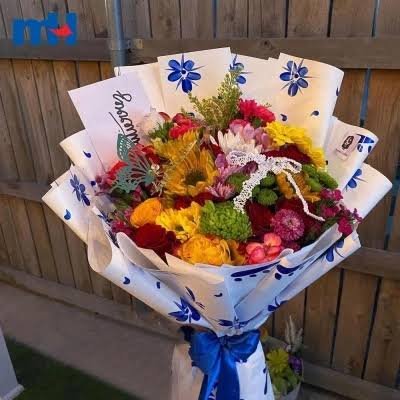
Custom Flower Bouquet Paper for Florists and Flower Businesses

Flowers are often purchased for special occasions, celebrations, gifts, and everyday moments. While the flowers themselves are the main attraction, their presentation can have a major impact on the customer’s experience. Attractive wrapping can make a bouquet look more elegant while also helping protect the flowers during handling and transportation.

For florists and flower shops, packaging is also an important part of brand identity. A carefully designed wrapping material can complement the colors and style of an arrangement while giving customers a memorable experience. Consistent packaging can help a business create a recognizable appearance across different bouquets and occasions.

Custom Flower Bouquet Paper provides florists with an opportunity to combine attractive presentation with practical packaging. Businesses can select different paper sizes, colors, patterns, finishes, and printed designs according to their brand and floral arrangements. Personalized wrapping can make bouquets look more professional while helping customers associate the presentation with a particular flower shop.

1. What Is Flower Bouquet Paper?

Flower bouquet paper is a wrapping material designed to surround and present floral arrangements. It can be folded, layered, rolled, or shaped around bouquets to create different styles and levels of coverage.

Florists may use different types of paper depending on the flowers, bouquet size, moisture level, and desired appearance. Some wrapping materials focus primarily on visual presentation, while others provide additional resistance to moisture or handling.

The right paper should be easy to fold and shape without tearing. It should also complement the flowers rather than overpower them. Choosing appropriate dimensions can make the wrapping process faster and help create consistent results.

2. Why Customized Flower Packaging Matters

Personalized packaging can help a florist develop a recognizable visual identity. A printed logo, repeating pattern, or carefully selected color combination can make bouquets instantly associated with a particular business.

Branded wrapping can also add value to gift purchases. Customers often expect flowers to look attractive when they are presented to someone else, and professional packaging can contribute to that experience.

Customization provides flexibility as well. Florists can create different designs for weddings, Valentine’s Day, Mother’s Day, birthdays, corporate events, or everyday arrangements. Seasonal artwork can help businesses refresh their presentation without changing the entire packaging strategy.

3. Choosing the Right Paper for Floral Arrangements

Flowers naturally contain moisture, and freshly prepared bouquets may have damp stems or water droplets. Because of this, florists need to consider how the wrapping material will perform when exposed to moisture.

custom greaseproof paper wholesale can be considered for selected floral packaging applications where resistance to oils or certain surface contaminants is useful. However, grease resistance does not automatically mean that a paper is waterproof or specifically designed for direct contact with wet flower stems.

Florists should therefore discuss their intended application with suppliers. If the paper will come into contact with water, condensation, or damp stems, it is important to verify its moisture resistance and suitability rather than relying only on its appearance.

4. Popular Styles of Bouquet Wrapping

Flower wrapping can be designed in many different ways depending on the desired look. Minimalist arrangements may benefit from plain or lightly printed sheets, while luxury bouquets may use layered papers and premium finishes.

Common styles include:

  • Classic folded wrapping: Creates a clean and traditional bouquet presentation.
  • Layered wrapping: Combines multiple sheets to create depth and visual interest.
  • Printed wrapping: Uses logos, patterns, or brand elements for recognition.
  • Kraft-style wrapping: Provides a natural and simple appearance.
  • Colored wrapping: Matches or contrasts with the flowers.
  • Luxury finishes: Uses specialty textures or finishes for premium arrangements.

The wrapping style should complement the flowers. Bright floral arrangements may work well with simple packaging, while neutral bouquets can be enhanced with stronger colors or patterns.

5. Branding Opportunities for Florists

Every bouquet can become an opportunity for brand exposure. When customers carry a professionally wrapped arrangement, the packaging can make the flower shop visible to other people and reinforce the business name.

A florist can print its logo, website, phone number, social media details, or a repeating brand pattern on suitable wrapping paper. The design should remain clean enough that the flowers continue to be the main focus.

Color selection is particularly important. Using the same colors across wrapping paper, ribbons, cards, bags, and storefront materials can create a consistent visual identity.

Florists should also consider how the printed design looks when the paper is folded. A logo placed near an edge may become hidden, while a repeating pattern can remain visible regardless of how the bouquet is wrapped.

6. Selecting the Right Size and Quality

The size of the paper should match the bouquets being prepared. Small arrangements require less material, while large wedding or event bouquets may need wider sheets with greater coverage.

Paper strength is another important consideration. Very thin material may tear during folding, especially when multiple layers are being manipulated. Stronger paper can provide better handling while maintaining a neat appearance.

When selecting a product, consider:

  • Sheet dimensions
  • Paper thickness
  • Moisture resistance
  • Folding flexibility
  • Print quality
  • Surface finish
  • Color options
  • Minimum order quantity

Ordering samples before purchasing in bulk is a practical way to evaluate these characteristics. Florists can wrap actual bouquets and check whether the paper performs as expected.

7. Sustainable Flower Packaging

Sustainability is becoming increasingly important to customers and businesses. Florists may want packaging that uses paper responsibly and minimizes unnecessary waste.

However, not every paper product has identical environmental characteristics. Coatings, laminations, inks, and other treatments can affect recyclability and disposal options.

Businesses should ask suppliers about paper sourcing, recycled content, certifications, and the environmental properties of any coatings. If a supplier makes compostable or recyclable claims, appropriate supporting information should be requested.

Using the correct size of paper can also reduce waste. Florists can measure their common bouquet sizes and choose packaging dimensions that provide sufficient coverage without requiring excessive material.

8. Finding a Reliable Bouquet Paper Supplier

A reliable supplier can make a significant difference in packaging quality and consistency. Florists should compare suppliers based on paper quality, customization options, printing capabilities, production capacity, and delivery times.

Before placing an order, ask for samples and detailed specifications. Important information may include paper weight, dimensions, coating type, printing method, moisture resistance, and available finishes.

It is also useful to request a complete quotation that includes printing costs, setup charges, minimum quantities, shipping, and expected production time. This makes it easier to compare suppliers based on the overall cost.

parchment paper

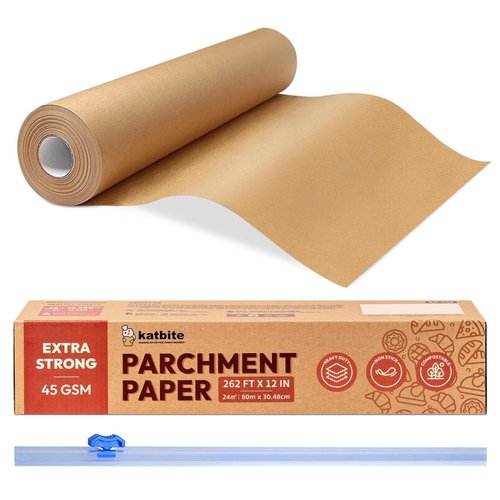
Custom Parchment Paper for Food Businesses

Food packaging and baking materials play an important role in the food industry. Bakeries, restaurants, cafés, and commercial kitchens need reliable paper products that make food preparation easier while supporting attractive presentation. Choosing the right material can improve efficiency, protect food, and create a professional experience for customers.

Businesses are also increasingly interested in packaging that reflects their brand identity. Printed logos, patterns, colors, and customized sizes can turn ordinary food packaging into an effective branding tool. When packaging is consistent across different products, customers can more easily recognize a business and remember its presentation.

Custom Parchment Paper gives businesses a practical way to combine functionality with personalized presentation. It can be produced in different sizes and designs for suitable baking, food preparation, and packaging applications. From bakeries preparing pastries and cookies to restaurants serving selected food products, customized paper can support both operational and marketing requirements.

1. What Is Parchment Paper?

Parchment paper is a specially treated paper commonly used for baking and food preparation. It provides a convenient surface that can help prevent food from sticking to baking trays and pans when used according to the manufacturer’s instructions.

It is widely used by professional bakers and home cooks because it can simplify preparation and cleanup. Depending on its specifications, parchment paper can also withstand certain oven temperatures, making it useful for baking cookies, pastries, bread, and other products.

However, not every paper product has the same properties. Businesses should check the manufacturer’s temperature recommendations, coating information, thickness, and intended application before selecting a product for commercial use.

2. Benefits of Customized Parchment Paper

Customized parchment paper can help businesses combine practical food preparation with professional branding. Instead of using plain sheets, companies can choose printed designs that reflect their logo, colors, and overall visual identity.

For bakeries, branded paper can complement boxes, labels, bags, and other packaging materials. Restaurants and cafés can also use suitable printed sheets for food presentation, provided the product is designed for the intended application.

Customization also allows businesses to select specific sheet sizes and formats. This can make the paper easier to use with different trays, products, and preparation processes while helping reduce unnecessary material waste.

3. Parchment Paper vs. Grease-Resistant Paper

Choosing between different food papers requires an understanding of their intended purposes. Parchment paper is commonly associated with baking and oven use, while other grease-resistant papers are often selected for wrapping, lining, and serving foods containing oils and fats.

custom greaseproof paper wholesale can be particularly useful for businesses that want oil-resistant food packaging combined with personalized branding. It may be printed with logos, repeating patterns, or other design elements to create a consistent customer experience.

Although parchment and grease-resistant papers can sometimes be used in related applications, they should not automatically be considered interchangeable. Their coatings, temperature resistance, moisture performance, and food-contact properties can vary. Businesses should select materials based on the actual food and conditions in which the paper will be used.

4. Common Applications in Bakeries and Restaurants

Parchment paper has many applications in professional food preparation. Its versatility makes it useful for bakeries, pastry shops, restaurants, catering businesses, and commercial kitchens.

Common uses include:

  • Cookie baking: Creating a suitable surface for baking cookies and biscuits.
  • Pastry preparation: Supporting the preparation of selected pastries and baked goods.
  • Bread production: Lining suitable baking trays and surfaces.
  • Cake preparation: Supporting certain cake-baking processes.
  • Food separation: Separating appropriate food products during preparation.
  • Food presentation: Providing a clean and professional serving surface when the material is suitable.

The best application depends on the paper’s specifications. Businesses should consider product temperature, moisture, oil content, and contact time before using any paper for a specific food.

5. Printing and Branding Options

Packaging is an important part of brand communication. A bakery or food business can use customized paper to display its logo and create a consistent appearance across its products.

A simple logo or repeating pattern can often provide an effective design without distracting attention from the food. Businesses may also incorporate brand colors, illustrations, website information, or other visual elements depending on the available printing area.

Before ordering printed paper, businesses should ask suppliers about available printing methods and suitable inks. Materials used in food packaging should meet the relevant requirements for their intended application.

It is also helpful to request a printed sample before approving a large production run. A sample can help businesses check color accuracy, logo placement, print clarity, paper quality, and overall appearance.

6. How to Choose the Right Parchment Paper

Selecting the right paper begins with understanding how it will be used. A bakery that needs paper for oven baking may have different requirements from a restaurant looking for material for food presentation.

Important factors to consider include:

  • Temperature resistance: Check the maximum recommended operating temperature.
  • Paper thickness: Select a suitable weight for handling and production.
  • Grease resistance: Consider the fat content of the food.
  • Moisture resistance: Determine whether the product needs additional protection.
  • Sheet size: Choose dimensions that fit trays and food products.
  • Printing: Confirm that the design and printing process suit the intended application.
  • Food-contact suitability: Request relevant product documentation from the supplier.

Testing samples with actual products is recommended before placing a large order. This allows businesses to evaluate how the material performs under normal production and serving conditions.

7. Sustainability and Responsible Packaging

Environmental considerations are becoming increasingly important for food businesses. Paper-based packaging can be part of a more responsible packaging strategy, but businesses should avoid assuming that every paper product has the same environmental properties.

Coatings, inks, treatments, and other components can affect recycling or composting options. Businesses should ask suppliers about the composition of their products and request

fins88

fins88

mister138

nona88

slot

fins88

nona88/

mister138

slot777

milenium88

mister138

fins88

slot bet 200

nona88

tirto88

tirto88

tirto88

tirto88

tirto88

tirto88

slot777

wijaya88

plaza88

crazyrich88

star88

untung88

misteruntung88

slot mahjong

untung88

untung365

genting138

slot gacor

spaceman

jembatan bekasi

slot gacor hari ini

jembatan bekasi

pragmatic slot

slot depo 5 ribu

slot77

slot scatter hitam

slot

slot mahjong gacor

slot

mahjong slot

slot princess

slot scatter hitam

rtp slot

kamboja slot

slot pragmatic

live casino online

slot server luar

nexus slot

judi bola online

sbobet88

slot77

slot777

slot 5000

pg

pg

pg

PUSATGAME

depo

depo

slot gacor

nona88

nona88

untung88/

fins88/

Shopping cart close