
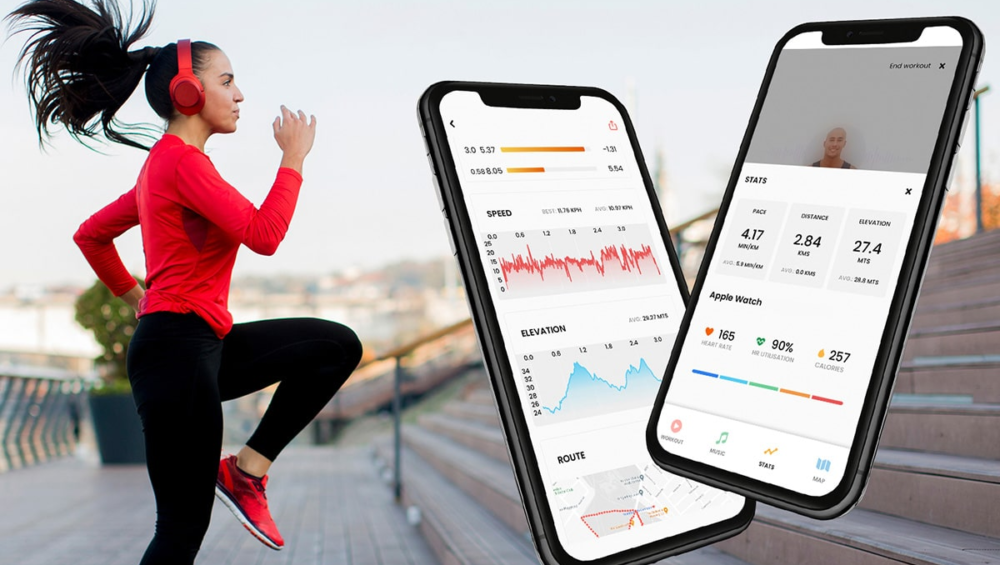
Marcus Reid, a 34-year-old accountant in Bristol, signed up for his first half Ironman with a plan scribbled in a notebook and a lot of optimism. Six weeks in, he was exhausted, his swim times had stalled, and he couldn’t say whether he was training too hard or not hard enough. Then he connected his watch to a training app. Within two weeks the picture was clear: he was running every easy session too fast, sleeping five and a half hours on weekdays, and skipping the one workout that mattered most. Nothing about his effort changed. What changed was that he could finally see it.
That clarity is why every serious Mobile App Development company now gets briefs from coaches, clubs, and sports startups asking for tools that turn raw numbers into decisions. Athletes at every level, from Saturday parkrun regulars to professionals, are using apps to measure progress, protect their bodies, and chase specific goals. This guide walks through what those apps track, how they help, where they mislead, and what teams should know before building one.
Why Athletes Need More Than a Stopwatch
Fitness goals sound simple. Run a sub-four-hour marathon, squat your bodyweight twice, finish a triathlon without walking. Reaching them is rarely simple, because progress hides inside dozens of small variables: how much you trained, how well you recovered, what you ate, how you slept, and how hard each session truly felt.
Coaches have always tracked these things on paper. A good one keeps a spreadsheet for each athlete, reviews it weekly, and adjusts the plan. The trouble is scale and speed. A coach with twenty clients can’t watch every heart rate trace in real time, and an athlete training alone has no coach at all.
Apps fill that gap. They log every session automatically, compare it to the plan, and flag patterns a human might miss. Instead of waiting until the end of the week to notice a problem, athletes get the signal the same evening.
The Data Athletes Track Every Day
Modern training apps pull in a lot of information. The most useful categories include:
Pace, distance, and power. GPS watches from Garmin, Polar, Coros, and Apple record routes and speed. Cyclists add power meters, which measure effort in watts and let them train at precise intensities based on functional threshold power, or FTP.
Heart rate and zones. Training in the right heart rate zone matters. Easy days build aerobic base, hard days build speed, and mixing them up leaves you stuck in the middle. Apps display zones live and summarize time spent in each afterward.
Training load. Platforms like TrainingPeaks popularized metrics such as Training Stress Score and the Performance Management Chart, which estimate fitness, fatigue, and form over time. Intervals.icu and Garmin Connect offer similar views. These numbers help athletes taper before race day and avoid piling on too much work too fast.
Strength logs. Apps like Hevy and Strong record sets, reps, and weights, then show progression charts so lifters know when to increase load.
Body metrics. Weight, body composition, resting heart rate, and VO2 max estimates give a long-term picture of change.
Seeing all of this in one place turns scattered workouts into a story with a direction.
Recovery: The Part Athletes Used to Guess
Anyone who has trained hard knows that improvement happens during recovery, not during the session itself. Yet recovery was always the hardest thing to measure.
Wearables like Whoop, Oura Ring, Garmin, and Apple Watch now estimate recovery using heart rate variability, resting heart rate, sleep duration, and sleep stages. Many apps combine those into a daily readiness score that suggests whether to push or ease off.
Marcus found this transformative. On mornings when his readiness score was low, he swapped intervals for a gentle spin. On high-score days he went hard. His workouts felt better, and his lifelong habit of grinding through every session finally changed.
A word of caution applies. Wrist-based sensors and sleep estimates aren’t medical devices, and different brands can disagree with each other. Treat the numbers as trends, not verdicts. If your score says you’re fine but your legs feel like concrete, trust your body and talk to a coach.
Nutrition and Hydration Tracking
Fuel matters as much as training, particularly for endurance athletes. Apps like MyFitnessPal and Cronometer log meals, calories, and macronutrients, while sport-specific tools help plan carbohydrate intake during long events and track hydration.
Athletes training for marathons or triathlons often practice fueling strategies in training, so the gut learns to handle gels and drinks on race day. Logging what worked, and what caused a stomach disaster at kilometer 30, saves a lot of misery later.
There’s a flip side. Tracking every gram can slide into obsession, and athletes in sports with weight pressures, such as running, gymnastics, and combat sports, face higher risks of disordered eating and relative energy deficiency in sport, often called RED-S. If food logging increases anxiety, stop and speak with a sports dietitian. A tool meant to support performance should never harm health.
Goal Setting, Plans, and Periodization
A good goal is specific, measurable, and tied to a date. “Get faster” isn’t one. “Run a 1:45 half marathon on April 12” is.
Apps help by turning goals into structured plans. Runna builds running programs around a target race. TrainingPeaks lets coaches sell and schedule plans with daily workouts. Nike Run Club and Strava offer guided options for different levels. Many break training into phases, such as base, build, peak, and taper, a method known as periodization.
The best apps adapt in real time. Miss a week due to illness and the plan reshuffles. Run faster than expected and the target pace adjusts. That flexibility matches how real life works, since nobody follows a plan perfectly for twelve weeks.
Progress charts keep motivation alive during the long middle stretch. Watching your average pace for the same heart rate drop over months is a powerful reward.
The Coach and Athlete Connection
For athletes who work with coaches, apps have turned feedback from a weekly email into a running conversation. A coach can see a completed workout minutes after it ends, leave a comment, and tweak tomorrow’s session before the athlete even showers.
Athletes add their own notes, like perceived effort, soreness, mood, and sleep quality. That subjective data is valuable because numbers can’t capture everything. Rate of perceived exertion scores, often called RPE, give coaches context for why a session that looked easy on paper felt brutal.
Remote coaching has opened doors too. A runner in Lahore can train under a coach in London. A triathlete in a small town can access expertise that used to require living near a major club. Apps make elite-level guidance more accessible.
Team Sports and Club Performance
Professional and academy teams take tracking further. Companies like Catapult Sports and STATSports supply GPS vests that record distance, sprint counts, accelerations, and impact loads for each player. Coaching staff use dashboards to manage workloads, reduce injury risk, and decide who needs rest before a match.
The same logic filters down to schools and amateur clubs through simpler apps that log attendance, fitness tests, and match stats. Youth academies can track growth spurts and adjust training to protect developing bodies.
Data doesn’t replace coaching judgment, but it sharpens it. A physio noticing a player’s sprint output dropping over three weeks can intervene before a hamstring tears.
Community, Accountability, and Motivation
Training can feel lonely. Strava reshaped that by turning workouts into a social feed. Friends send kudos, clubs run monthly challenges, and segment leaderboards add friendly rivalry. Zwift made indoor cycling a multiplayer experience, with virtual rides and races from the living room.
For many athletes, the knowledge that someone will notice a skipped session is enough to get them out the door on a cold morning. Group goals, like clocking a collective thousand kilometers in a month, add shared purpose.
Building a Custom Training App for Clubs and Coaches
Some organizations outgrow off-the-shelf tools. A running club might want a branded app with member challenges and event sign-ups. A sports academy may need dashboards that combine fitness tests, attendance, and wearable data. A coaching business might want a platform that sells plans and tracks client progress without paying a cut to third parties.
Custom builds usually connect to existing ecosystems instead of reinventing them. Apple HealthKit, Google Health Connect, and the Garmin and Strava APIs let apps pull workout data from the devices athletes already wear. That keeps the experience smooth and saves months of effort.
Planning should include ongoing costs, not just the launch. Mobile App Maintenance Cost commonly lands around fifteen to twenty percent of the original build each year, covering operating system updates, bug fixes, security patches, server hosting, and API changes from partner platforms. Ignoring it leads to apps that break after a phone update and quietly lose users.
A few design principles help:
- Make logging effortless. If athletes need more than a few taps, they’ll stop.
- Show one clear takeaway. A dashboard full of charts confuses people. Highlight the next action.
- Protect data. Health and location information is sensitive. Follow GDPR and local privacy rules, and give users control over sharing.
- Support offline use. Trails, gyms, and pools often have poor signal.
- Let athletes own their data. Easy export builds trust.
Pitfalls to Avoid
Tracking is powerful, but it has traps.
Data overload. More metrics don’t equal better decisions. Pick a few that matter for your goal.
Chasing numbers. Some athletes become slaves to streaks and scores, training through injury to keep a number alive. Rest days are part of the plan.
Accuracy limits. GPS can drift, optical heart rate sensors struggle in cold or during intervals, and calorie estimates are rough. Use trends rather than single readings.
Privacy risks. Public routes on social apps can reveal where you live or train. Check privacy zones and sharing settings.
Comparison stress. Scrolling through other people’s PBs can sap confidence. Compete with your past self first.
How to Choose the Right App for Your Sport
Start with your main sport. Runners often like Strava, Garmin Connect, or Runna. Cyclists lean toward TrainingPeaks, Zwift, or Intervals.icu. Lifters prefer Hevy or Strong. Triathletes usually combine a training platform with a multisport watch.
Next, check compatibility with your device, since not every app syncs smoothly with every watch. Try the free tier for a couple of weeks. Notice whether it saves time or adds chores. Finally, consider whether you need a human coach, since an app can guide but can’t see your form or notice that you’ve been quietly limping.
Frequently Asked Questions
What is the best app for tracking athletic performance? It depends on the sport. Strava and Garmin Connect suit runners and cyclists, TrainingPeaks fits structured endurance training, and Hevy or Strong work well for strength. Many athletes use more than one.
How do fitness apps measure recovery? They estimate it using heart rate variability, resting heart rate, and sleep data from a wearable, then combine those into a readiness score. These are estimates, not medical measurements.
Can an app replace a personal coach? For tracking and planning, an app covers a lot. For form correction, injury management, and tailored strategy, a human coach adds value. Many athletes use both.
Are fitness trackers accurate enough for serious training? Chest straps and power meters are very accurate. Wrist heart rate and calorie estimates are less so. Use them to watch trends over time.
How do athletes set realistic fitness goals? They pick a specific target with a date, work backward to build a progressive plan, and review data weekly to adjust. Starting from current ability, not wishful thinking, keeps goals achievable.
Is it safe to share workout data publicly? It can reveal your routines and locations. Use privacy zones, limit visibility to followers, and review settings regularly.
Final Thoughts
Athletes have always chased marginal gains. The difference today is that those gains are visible. A phone and a watch can reveal whether a training block is working, whether sleep is slipping, and whether a hard week should be followed by an easy one.
Marcus crossed his half Ironman finish line in a little over six hours, a time he’d have considered fantasy back in January. At the finish he didn’t mention the data first. He said it was the first time he’d felt like he knew what he was doing. That’s what good tracking gives an athlete: not just numbers, but confidence that the work is going somewhere.