Free shipping on orders above Rs. 1000
Custom parchment paper

Custom Parchment Paper: The Ultimate Kitchen Secret

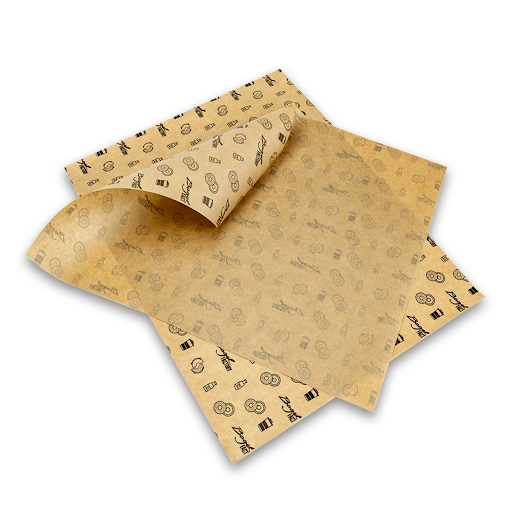
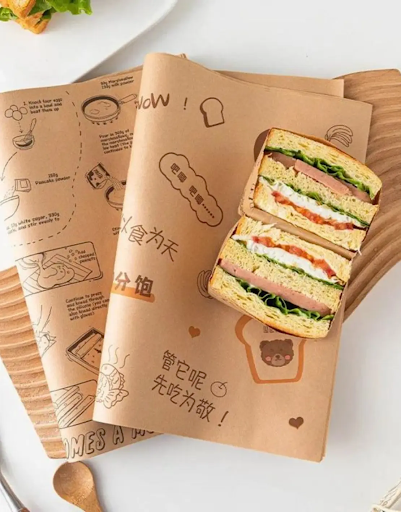
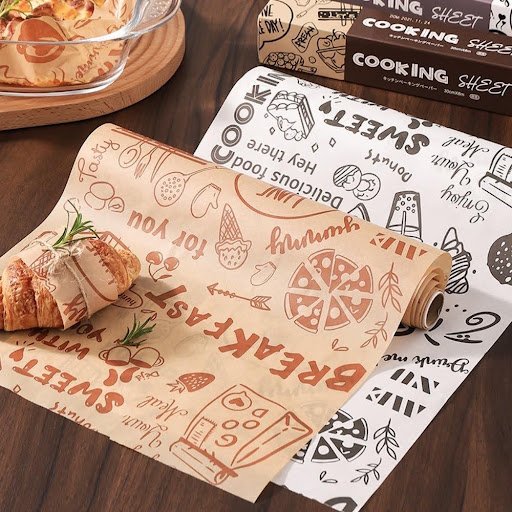
Custom parchment paper is one of those small details in food presentation that makes a massive impact on your daily operations. When you serve hot burgers, fresh-baked cookies, or delicate fried foods, the way you wrap them tells a big story to your customers.

Many food businesses rely on plain white wrappers, but switching to personalized sheets gives your brand an instant upgrade without changing your recipe. In this guide, we explore how simple custom-printed parchment paper transforms everyday meal delivery into a memorable dining moment that people love sharing with their friends and family everywhere.

Smart ackaging Solutions

Choosing custom parchment paper wholesale for your food service business helps you save money while maintaining a clean look for every order. Bulk orders keep your kitchen stocked with reliable food-safe sheets, so staff members never run out during busy dinner rushes. Having plenty of wraps on hand allows workers to package hot meals quickly and efficiently without delay. Restaurant owners love how bulk purchasing lowers unit costs while maintaining excellent grease resistance for all types of greasy meals. It is a practical step toward running a smoother operation.

Distinctive Brand Identity

Adding custom parchment paper with a logo design turns ordinary takeaway meals into walking advertisements for your local eatery. Every time a customer unboxes a hot sandwich or shares a picture of their lunch online, your visual identity stands out clearly. The print stays crisp even when exposed to steam heat or oils from freshly cooked foods. This simple touch shows patrons that you care about quality down to the finest details. It creates a lasting impression that brings customers back to your shop again.

Convenient Sheet Options

Using pre-cut custom parchment paper sheets saves valuable prep time in fast-paced commercial kitchens during heavy peak hours. Kitchen workers can grab a single sheet instantly instead of struggling to cut rolls evenly during busy shifts. These individual wraps fit standard tray sizes perfectly, making basket lining and box wrapping neat and effortless. They prevent food from sticking to surface trays while keeping hands completely clean. Efficiency goes up, and waste goes down when your staff relies on uniform pre-cut wrapping supplies every single day.

Versatile Material Spools

Choosing custom parchment paper rolls gives your team maximum flexibility when wrapping items of various shapes and sizes throughout the day. You can tear off exact lengths for small bakery treats or large whole pizzas without wasting extra material. This setup works exceptionally well for deli counters, sandwich assembly stations, and artisan bakeries with irregular items. The continuous material handles messy ingredients smoothly while protecting counters from spills and stubborn stains. It remains a reliable favourite for shops needing custom coverage for every order.

Practical To-Go Packaging

Using custom parchment paper bags keeps baked goods warm and fresh while providing a convenient hand-held option for customers on the go. These sturdy pouches work wonderfully for pastries, French fries, soft pretzels, and breakfast sandwiches served early in the morning. They absorb excess moisture without tearing open or leaving greasy residue on customers’ hands. The durable construction protects delicate food items during transit so snacks arrive intact and looking delicious. It is an easy way to elevate your takeaway service.

Reliable Local Sourcing

Sourcing custom parchment paper USA products ensures fast shipping times and consistent manufacturing standards for your growing culinary establishment. Local production means shorter wait times when you need to restock inventory before major busy seasons or special events. You also support high-quality safety standards that keep food clean and completely free from harmful chemicals. Working with domestic suppliers makes communication simple and stress-free whenever you need design tweaks or quick order updates. It offers pure peace of mind for busy managers.

Protective Outer Wraps

Applying custom parchment wrapping paper around artisan sandwiches and delicate baked goods adds a clean protective layer during delivery. The sturdy material acts as a strong barrier against external dirt and moisture while holding food warmth inside effectively. Customers appreciate opening a neatly wrapped package that looks hygienic and carefully prepared by professional hands. It prevents toppings from shifting around inside delivery boxes so every meal arrives looking picture perfect. This smart wrapper keeps your food looking as good as it tastes.

Tailored Food Solutions

Investing in customized parchment paper allows you to choose exact dimensions, textures, and designs tailored to your custom wax paper for restaurants unique menu items. Whether you run a tiny food truck or a large chain restaurant, tailored wrapping materials fit your specific kitchen requirements easily. You can design seasonal patterns or highlight special promos right on the paper to engage with diners directly. This level of customization shows true dedication to your craft and sets your business apart from typical competition. It turns basic food wrapping into an art form.

Conclusion

Custom parchment paper offers an easy and practical way to elevate your entire food service presentation while keeping kitchen operations running smoothly. From protecting hot meals against grease leaks to displaying your unique logo on every single delivery box, this simple packaging choice yields big results for your brand. 

Investing in high-quality custom parchment paper shows your customers that you value excellence in every single detail of their dining experience. Try upgrading your wrapping materials today and watch how a clean, natural presentation transforms your daily food service for the better.
Customized Personalized Embroidery Patterns Guide

Some gifts get a quick “thanks” and quietly disappear into a drawer. Others get used every day, kept for years, and passed down. What’s the difference? Usually, it’s personal.

Think about a baby blanket with a newborn’s name and birth date. Or a denim jacket with a grandmother’s handwriting stitched inside the collar. These aren’t just products. They’re memories you can hold.

That’s the power of customized personalized embroidery patterns. They take something ordinary and make it mean something. This guide explains how the process works, what you can create, and how to get results that last a lifetime.

What Are Customized Personalized Embroidery Patterns?

Let’s keep it simple. A customized personalized embroidery pattern is a stitch file made specifically for you or your project. It’s not a template that thousands of other people are using.

Think of it like this. Buying a mass-produced design is like grabbing a greeting card off the shelf. Creating a personalized pattern is like writing a letter by hand. One is convenient. The other actually means something.

These patterns are built stitch by stitch using digitizing software. Every curve, color, and letter is planned before the needle touches fabric. That planning is what makes the final result look clean instead of messy.

Why Customization Changes Everything

You might wonder why personalization matters so much. Here’s the honest answer.

Generic designs are everywhere. Anyone can buy the same floral wreath or the same script font. When everyone has the same thing, nothing feels special.

Customized patterns flip that completely. Here’s what happens when you go custom:

  • The item becomes one of a kind. Nobody else has your exact design.
  • It carries real meaning. A name, a date, a handwritten note. These details matter.
  • It fits your project perfectly. Size, shape, and colors match your item.
  • It makes a better gift. Personalized gifts are kept, not regifted.
  • It tells a story. Every stitch has a reason for being there.

For weddings, memorials, new babies, and milestones, personalization turns a product into a keepsake.

Popular Ideas for Customized Personalized Embroidery

Not sure what to create? Here are ideas people ask for all the time.

  • Baby items – name, birth date, weight, and height on blankets and bibs
  • Wedding keepsakes – couple’s names, wedding date, and venue sketches
  • Memorial pieces – a loved one’s handwriting or signature stitched into fabric
  • Family recipes – grandma’s handwritten recipe preserved on a tea towel
  • Pet portraits – a beloved pet’s face based on a favorite photo
  • Monograms – initials on robes, towels, bags, and luggage
  • Kids’ artwork – a child’s drawing turned into stitched art
  • Anniversary gifts – special dates, song lyrics, or inside jokes
  • Corporate gifts – employee names, milestone dates, and company logos

That kids’ artwork idea is a personal favorite. There’s something special about a wobbly crayon drawing becoming a permanent keepsake.

The Digitizing Process: Where Personalization Begins

Here’s something most people don’t realize. A beautiful design on screen can turn into a disaster on fabric if it’s not digitized properly.

Digitizing is the bridge between your idea and the stitching. It’s a skilled craft, not a push-button task.

A professional digitizer makes dozens of decisions for every design:

  1. Stitch type – satin for borders, fill for large areas, run stitches for fine details
  2. Stitch direction – which way the thread lays affects shine and texture
  3. Underlay – the hidden foundation that keeps fabric stable
  4. Pull compensation – small adjustments so curves don’t distort after stitching
  5. Color sequence – the order colors stitch to minimize thread changes
  6. Density – enough coverage without making the fabric stiff

Get these right, and the design looks printed on. Get them wrong, and you get puckering, gaps, and thread breaks.

At Absolute Digitizing, every file is built by hand with these decisions in mind. That’s what separates a design that works from one that frustrates.

What Makes a Customized Pattern Work Well?

Not all custom patterns are created equal. Here’s what separates a great one from a disappointing one.

Clean Digitizing

Smooth curves. Sharp corners. No jagged edges or random stitches floating in the middle of nowhere.

Proper Density

Too dense, and the fabric gets stiff and holes appear. Too light, and the background shows through. Balance is everything.

Readable Small Details

Tiny text is the hardest thing to embroider. A skilled digitizer adjusts letter spacing and thickness so names and dates stay legible at small sizes.

Fabric-Appropriate Settings

A pattern made for a thick hoodie won’t behave the same on a thin baby onesie. Good digitizers ask what you’re stitching on before they start.

How to Order Customized Personalized Embroidery Patterns

Ready to create something meaningful? Here’s the process, step by step.

  1. Choose your artwork or idea. A clean, high-contrast image works best. Vector files are ideal, but good photos can work too.
  2. Decide on size and placement. Where will this go? How big should it be? This affects how much detail is possible.
  3. Pick your colors. Match your thread to your project, or let the digitizer suggest options.
  4. Share your fabric details. Cotton, denim, fleece, and stretchy knits all behave differently.
  5. Review the preview. A good service will show you a stitch-out simulation before you commit.
  6. Approve and stitch. Once it looks right, you’re ready to go.

Common Mistakes to Avoid

Let’s save you some frustration.

  • Sending a low-resolution image. Blurry input means blurry output.
  • Asking for too much detail in a tiny space. If you want text smaller than a quarter inch, expect compromises.
  • Skipping the stitch-out preview. Always check before you sew.
  • Ignoring fabric type. A pattern for canvas isn’t right for spandex.
  • Choosing the cheapest option. Auto-digitizing tools are cheap for a reason. They produce messy results.

Why Professional Digitizing Is Worth It

You can find free or cheap auto-digitizing tools online. So why pay for a professional?

Because embroidery machines are unforgiving. They stitch exactly what you tell them to, mistake for mistake. A poorly digitized file can ruin fabric, waste thread, and break needles.

A professional digitizer catches problems before they ever reach your machine. That saves you time, money, and a lot of frustration.

Absolute Digitizing has worked on everything from simple monograms to complex memorial pieces with fine handwriting. The goal is always the same: a file that stitches beautifully the first time.

Actionable Tips for Better Personalized Patterns

Want the best possible result? Try these.

  • Start with vector art if you have it. It scales cleanly.
  • Keep text at least 0.25 inches tall for readability.
  • Limit colors to keep the design clean and cost-effective.
  • Think about contrast between thread and fabric.
  • Ask questions before the file is finalized. Revisions are easier early on.
  • Request a sew-out for large or important projects.

Conclusion

Customized personalized embroidery patterns turn ordinary items into something people treasure. Whether it’s a gift, a keepsake, or a business asset, custom work beats generic designs every time.

The key is understanding that great embroidery starts with great digitizing. Choose clean artwork, communicate your fabric and size needs, and work with someone who treats your project like it matters.

If you’re ready to turn your idea into stitches, Absolute Digitizing is here to help. Your memories deserve more than a template.

FAQs

1. How much do customized personalized embroidery patterns cost?

Pricing depends on size, stitch count, and detail. Simple text designs cost less, while complex artwork with many colors costs more. Most services charge a one-time digitizing fee, and then you own the file.

2. How long does it take to create a personalized pattern?

Simple designs can be ready in a few hours. Detailed artwork or handwriting may take a day or two. Rush options are often available if you’re on a deadline.

3. What file formats should I send for personalization?

Vector files like AI, EPS, or PDF are best. High-resolution PNGs and JPGs can also work. Avoid blurry or low-resolution images, as they limit how much detail can be captured.

4. Can you embroider handwriting in a personalized design?

Yes. Handwriting and signatures can be digitized beautifully. Just keep in mind that very thin or faint writing may need slight adjustments to stitch cleanly on fabric.

5. What’s the smallest text I can embroider?

As a general rule, keep letters at least 0.25 inches tall. Smaller than that, and the letters can close up or become unreadable. Your digitizer can advise based on your specific font and fabric.

Adjust Embroidery Letter Spacing Like a Pro

You’ve stitched a name onto a shirt, and something’s just… off. The letters are bunched up in one spot and floating apart in another. The stitching itself is fine, but the word looks unbalanced.

Here’s the thing. Almost every embroiderer runs into this. Letter spacing is one of those details that seems minor until you see it done wrong. Learning to adjust embroidery letter spacing properly is what takes your text from “homemade” to “professionally finished.”

The good news? It’s not complicated once you understand what you’re looking at. This guide walks you through the whole process, from spotting problems to fixing them.

Why Letter Spacing Makes or Breaks Your Design

Think of letter spacing like the pauses in a conversation. Talk too fast with no breaks, and nobody understands you. Pause awkwardly between every word, and the conversation feels stiff.

Embroidery works the same way. The space between letters controls how readable and balanced your text looks. Get it right, and the design looks polished. Get it wrong, and it looks messy, even if every stitch is perfect.

Good spacing also affects how the fabric behaves. Letters that are too close can cause thread bunching. Letters that are too far apart make the word look disconnected.

The Two Types of Spacing You Need to Know

Before we dive into fixes, let’s clear up a common confusion. There are two separate kinds of spacing in embroidery, and they do different jobs.

  • Letter spacing (kerning): The gap between individual letters within a word.
  • Word spacing: The gap between whole words in a phrase.

Both matter. Letter spacing affects how readable a single word is. Word spacing affects how easily the eye separates one word from the next. You need to handle both for a clean result.

Signs Your Letter Spacing Needs Adjusting

Sometimes the problem is obvious. Sometimes it’s subtle. Here’s what to look for.

Letters Are Touching

If two letters physically touch, your machine may stitch one on top of the other. The result is a blob of thread that’s hard to read.

Letters Are Too Far Apart

If you could fit an extra letter in the gap between two letters, the spacing is too wide. The word looks broken instead of connected.

Spacing Is Uneven

This is the sneaky one. Your letters might not be touching, but the gaps are all different sizes. The word looks lumpy and unbalanced.

Round Letters Look Off

Letters like O, C, and G have curved edges. If you use the same spacing for them as straight letters, they’ll look either too tight or too loose.

How to Adjust Embroidery Letter Spacing: Step by Step

Now for the practical part. Here’s how to fix your spacing and get professional-looking text.

1. Start With an Embroidery-Specific Font

This is step one, and it’s non-negotiable. Embroidery fonts are designed with stitching in mind. They have built-in spacing rules that work with thread, not against it.

Using a converted print font is like wearing dress shoes on a hiking trail. It might work for a bit, but you’ll regret it.

2. Use Auto-Kerning as a Starting Point

Most embroidery software has an auto-spacing feature. Let it do its first pass, then zoom in and inspect the result yourself.

Auto-kerning is a robot. It doesn’t know that “AV” needs special treatment or that “TO” looks awkward with default spacing. That part is your job.

3. Manually Adjust Problem Pairs

Some letter combinations need extra attention. Here are the usual suspects:

  • Angled letters: A, V, W, Y, K
  • Round letters: O, C, G, Q
  • Straight letters: I, L, T

Pairs like “AV,” “WA,” “TO,” and “LY” often need a nudge. Move them closer or further apart until the visual space looks equal to the rest of the word.

4. Trust Your Eyes Over the Numbers

Here’s a counterintuitive tip. Equal spacing doesn’t always look equal.

A round letter next to a straight letter needs more space than two straight letters next to each other. Why? Because the curve creates an optical illusion. Your eyes perceive the gap differently than the actual measurement.

Trust what looks balanced, not what measures perfectly.

5. Account for Fabric and Thread

Your materials affect spacing more than you’d think. Adjust accordingly.

  • Thick fabrics (denim, canvas): Letters can spread when stitched. Add a touch more space.
  • Thin fabrics (silk, chiffon): Letters can pull the fabric tighter. Watch for crowding.
  • Thick thread (30wt): Takes up more room. Increase spacing slightly.
  • Thin thread (60wt): Takes up less room. You can tighten up a bit.

6. Don’t Forget Word Spacing

A good rule of thumb: the space between words should be roughly the width of a lowercase “o” in your font.

If your words run together, increase the gap. If they look disconnected, tighten it up.

7. Always Do a Test Stitch

Never skip this step. What looks perfect on a computer screen can look completely different when stitched.

Sew your text onto scrap fabric that matches your final project. This is the only way to see how the spacing actually behaves.

A Quick Pre-Stitch Checklist

Before you hit start, run through this list.

  • □ Am I using an embroidery-specific font?
  • □ Have I applied and reviewed auto-kerning?
  • □ Have I manually adjusted problem letter pairs?
  • □ Is the word spacing consistent?
  • □ Have I considered my fabric and thread weight?
  • □ Have I done a test stitch on scrap fabric?
  • □ Does the text look balanced and easy to read?

Common Spacing Mistakes to Avoid

Let’s save you some headaches.

  • Assuming auto-kerning is enough. It’s a starting point, not a solution.
  • Using the same spacing for every font. Each font has its own personality.
  • Ignoring small text. Tiny letters amplify spacing errors.
  • Skipping the test stitch. Always test before committing.
  • Forgetting about fabric pull. Stretchy fabrics change everything.
  • Cramming too much text into a small space. Sometimes you need to simplify.

When to Bring in a Professional

Sometimes, despite your best efforts, the spacing just won’t cooperate. This happens most often with complex logos, very small text, or designs that need to fit a specific shape.

If you’re spending hours tweaking and still not happy, it might be time to call in the experts. At Absolute Digitizing, we specialize in creating stitch files with flawless kerning. Every letter is placed with intention, so your text looks clean and professional on any fabric.

Conclusion

Knowing how to adjust embroidery letter spacing is one of those skills that seems small but makes a massive difference. It’s the difference between text that looks handmade and text that looks handcrafted.

Remember the key points:

  • Start with an embroidery-specific font.
  • Use auto-kerning as a starting point, not a final answer.
  • Manually adjust problem letter pairs.
  • Trust visual balance over exact measurements.
  • Consider your fabric and thread weight.
  • Always do a test stitch.

Master these habits, and your embroidery text will look polished every single time. And if you need a hand, Absolute Digitizing is just a click away.

FAQs

1. How do I adjust letter spacing in embroidery software?

Most programs have a kerning or spacing tool that lets you move individual letters closer or further apart. Start with auto-kerning, then manually adjust problem pairs like “AV” or “TO” until the spacing looks visually even.

2. What is the ideal letter spacing for embroidery?

There’s no single number that works for every design. It depends on the font, fabric, thread weight, and size. The goal is visual balance, where the space between letters looks even to the eye, even if the measurements differ.

3. Can I fix letter spacing after the design is stitched?

No. Once stitches are in the fabric, they’re permanent. That’s why a test stitch on scrap fabric is essential. Always catch spacing issues before you commit to your final project.

4. Why do my letters look crowded even when my software says the spacing is fine?

This usually comes down to thread and fabric thickness. Thick thread and plush fabrics can make letters spread and appear closer together. Always add a little extra spacing when working with these materials.

5. How can Absolute Digitizing help with letter spacing?

Absolute Digitizing creates embroidery files with precise, professionally adjusted spacing. Our digitizers manually place every letter to ensure your text looks balanced and readable. We take the guesswork out so you can focus on stitching.

images

Custom Flower Bouquet Paper for Florists and Flower Businesses

Flowers are often purchased for special occasions, celebrations, gifts, and everyday moments. While the flowers themselves are the main attraction, their presentation can have a major impact on the customer’s experience. Attractive wrapping can make a bouquet look more elegant while also helping protect the flowers during handling and transportation.

For florists and flower shops, packaging is also an important part of brand identity. A carefully designed wrapping material can complement the colors and style of an arrangement while giving customers a memorable experience. Consistent packaging can help a business create a recognizable appearance across different bouquets and occasions.

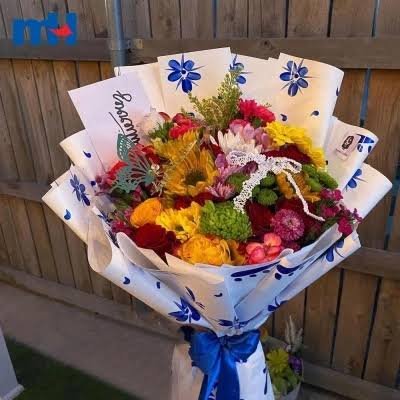
Custom Flower Bouquet Paper provides florists with an opportunity to combine attractive presentation with practical packaging. Businesses can select different paper sizes, colors, patterns, finishes, and printed designs according to their brand and floral arrangements. Personalized wrapping can make bouquets look more professional while helping customers associate the presentation with a particular flower shop.

1. What Is Flower Bouquet Paper?

Flower bouquet paper is a wrapping material designed to surround and present floral arrangements. It can be folded, layered, rolled, or shaped around bouquets to create different styles and levels of coverage.

Florists may use different types of paper depending on the flowers, bouquet size, moisture level, and desired appearance. Some wrapping materials focus primarily on visual presentation, while others provide additional resistance to moisture or handling.

The right paper should be easy to fold and shape without tearing. It should also complement the flowers rather than overpower them. Choosing appropriate dimensions can make the wrapping process faster and help create consistent results.

2. Why Customized Flower Packaging Matters

Personalized packaging can help a florist develop a recognizable visual identity. A printed logo, repeating pattern, or carefully selected color combination can make bouquets instantly associated with a particular business.

Branded wrapping can also add value to gift purchases. Customers often expect flowers to look attractive when they are presented to someone else, and professional packaging can contribute to that experience.

Customization provides flexibility as well. Florists can create different designs for weddings, Valentine’s Day, Mother’s Day, birthdays, corporate events, or everyday arrangements. Seasonal artwork can help businesses refresh their presentation without changing the entire packaging strategy.

3. Choosing the Right Paper for Floral Arrangements

Flowers naturally contain moisture, and freshly prepared bouquets may have damp stems or water droplets. Because of this, florists need to consider how the wrapping material will perform when exposed to moisture.

custom greaseproof paper wholesale can be considered for selected floral packaging applications where resistance to oils or certain surface contaminants is useful. However, grease resistance does not automatically mean that a paper is waterproof or specifically designed for direct contact with wet flower stems.

Florists should therefore discuss their intended application with suppliers. If the paper will come into contact with water, condensation, or damp stems, it is important to verify its moisture resistance and suitability rather than relying only on its appearance.

4. Popular Styles of Bouquet Wrapping

Flower wrapping can be designed in many different ways depending on the desired look. Minimalist arrangements may benefit from plain or lightly printed sheets, while luxury bouquets may use layered papers and premium finishes.

Common styles include:

  • Classic folded wrapping: Creates a clean and traditional bouquet presentation.
  • Layered wrapping: Combines multiple sheets to create depth and visual interest.
  • Printed wrapping: Uses logos, patterns, or brand elements for recognition.
  • Kraft-style wrapping: Provides a natural and simple appearance.
  • Colored wrapping: Matches or contrasts with the flowers.
  • Luxury finishes: Uses specialty textures or finishes for premium arrangements.

The wrapping style should complement the flowers. Bright floral arrangements may work well with simple packaging, while neutral bouquets can be enhanced with stronger colors or patterns.

5. Branding Opportunities for Florists

Every bouquet can become an opportunity for brand exposure. When customers carry a professionally wrapped arrangement, the packaging can make the flower shop visible to other people and reinforce the business name.

A florist can print its logo, website, phone number, social media details, or a repeating brand pattern on suitable wrapping paper. The design should remain clean enough that the flowers continue to be the main focus.

Color selection is particularly important. Using the same colors across wrapping paper, ribbons, cards, bags, and storefront materials can create a consistent visual identity.

Florists should also consider how the printed design looks when the paper is folded. A logo placed near an edge may become hidden, while a repeating pattern can remain visible regardless of how the bouquet is wrapped.

6. Selecting the Right Size and Quality

The size of the paper should match the bouquets being prepared. Small arrangements require less material, while large wedding or event bouquets may need wider sheets with greater coverage.

Paper strength is another important consideration. Very thin material may tear during folding, especially when multiple layers are being manipulated. Stronger paper can provide better handling while maintaining a neat appearance.

When selecting a product, consider:

  • Sheet dimensions
  • Paper thickness
  • Moisture resistance
  • Folding flexibility
  • Print quality
  • Surface finish
  • Color options
  • Minimum order quantity

Ordering samples before purchasing in bulk is a practical way to evaluate these characteristics. Florists can wrap actual bouquets and check whether the paper performs as expected.

7. Sustainable Flower Packaging

Sustainability is becoming increasingly important to customers and businesses. Florists may want packaging that uses paper responsibly and minimizes unnecessary waste.

However, not every paper product has identical environmental characteristics. Coatings, laminations, inks, and other treatments can affect recyclability and disposal options.

Businesses should ask suppliers about paper sourcing, recycled content, certifications, and the environmental properties of any coatings. If a supplier makes compostable or recyclable claims, appropriate supporting information should be requested.

Using the correct size of paper can also reduce waste. Florists can measure their common bouquet sizes and choose packaging dimensions that provide sufficient coverage without requiring excessive material.

8. Finding a Reliable Bouquet Paper Supplier

A reliable supplier can make a significant difference in packaging quality and consistency. Florists should compare suppliers based on paper quality, customization options, printing capabilities, production capacity, and delivery times.

Before placing an order, ask for samples and detailed specifications. Important information may include paper weight, dimensions, coating type, printing method, moisture resistance, and available finishes.

It is also useful to request a complete quotation that includes printing costs, setup charges, minimum quantities, shipping, and expected production time. This makes it easier to compare suppliers based on the overall cost.

parchment paper

Custom Parchment Paper for Food Businesses

Food packaging and baking materials play an important role in the food industry. Bakeries, restaurants, cafés, and commercial kitchens need reliable paper products that make food preparation easier while supporting attractive presentation. Choosing the right material can improve efficiency, protect food, and create a professional experience for customers.

Businesses are also increasingly interested in packaging that reflects their brand identity. Printed logos, patterns, colors, and customized sizes can turn ordinary food packaging into an effective branding tool. When packaging is consistent across different products, customers can more easily recognize a business and remember its presentation.

Custom Parchment Paper gives businesses a practical way to combine functionality with personalized presentation. It can be produced in different sizes and designs for suitable baking, food preparation, and packaging applications. From bakeries preparing pastries and cookies to restaurants serving selected food products, customized paper can support both operational and marketing requirements.

1. What Is Parchment Paper?

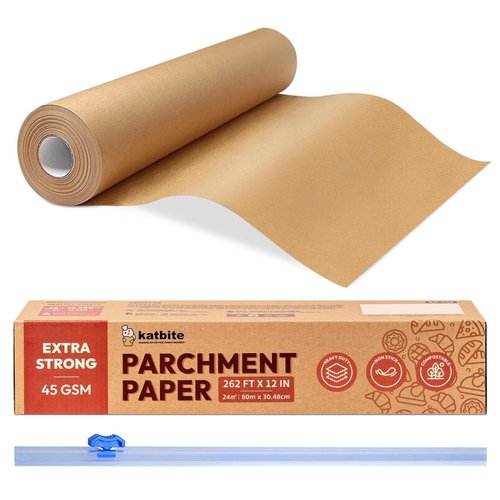
Parchment paper is a specially treated paper commonly used for baking and food preparation. It provides a convenient surface that can help prevent food from sticking to baking trays and pans when used according to the manufacturer’s instructions.

It is widely used by professional bakers and home cooks because it can simplify preparation and cleanup. Depending on its specifications, parchment paper can also withstand certain oven temperatures, making it useful for baking cookies, pastries, bread, and other products.

However, not every paper product has the same properties. Businesses should check the manufacturer’s temperature recommendations, coating information, thickness, and intended application before selecting a product for commercial use.

2. Benefits of Customized Parchment Paper

Customized parchment paper can help businesses combine practical food preparation with professional branding. Instead of using plain sheets, companies can choose printed designs that reflect their logo, colors, and overall visual identity.

For bakeries, branded paper can complement boxes, labels, bags, and other packaging materials. Restaurants and cafés can also use suitable printed sheets for food presentation, provided the product is designed for the intended application.

Customization also allows businesses to select specific sheet sizes and formats. This can make the paper easier to use with different trays, products, and preparation processes while helping reduce unnecessary material waste.

3. Parchment Paper vs. Grease-Resistant Paper

Choosing between different food papers requires an understanding of their intended purposes. Parchment paper is commonly associated with baking and oven use, while other grease-resistant papers are often selected for wrapping, lining, and serving foods containing oils and fats.

custom greaseproof paper wholesale can be particularly useful for businesses that want oil-resistant food packaging combined with personalized branding. It may be printed with logos, repeating patterns, or other design elements to create a consistent customer experience.

Although parchment and grease-resistant papers can sometimes be used in related applications, they should not automatically be considered interchangeable. Their coatings, temperature resistance, moisture performance, and food-contact properties can vary. Businesses should select materials based on the actual food and conditions in which the paper will be used.

4. Common Applications in Bakeries and Restaurants

Parchment paper has many applications in professional food preparation. Its versatility makes it useful for bakeries, pastry shops, restaurants, catering businesses, and commercial kitchens.

Common uses include:

  • Cookie baking: Creating a suitable surface for baking cookies and biscuits.
  • Pastry preparation: Supporting the preparation of selected pastries and baked goods.
  • Bread production: Lining suitable baking trays and surfaces.
  • Cake preparation: Supporting certain cake-baking processes.
  • Food separation: Separating appropriate food products during preparation.
  • Food presentation: Providing a clean and professional serving surface when the material is suitable.

The best application depends on the paper’s specifications. Businesses should consider product temperature, moisture, oil content, and contact time before using any paper for a specific food.

5. Printing and Branding Options

Packaging is an important part of brand communication. A bakery or food business can use customized paper to display its logo and create a consistent appearance across its products.

A simple logo or repeating pattern can often provide an effective design without distracting attention from the food. Businesses may also incorporate brand colors, illustrations, website information, or other visual elements depending on the available printing area.

Before ordering printed paper, businesses should ask suppliers about available printing methods and suitable inks. Materials used in food packaging should meet the relevant requirements for their intended application.

It is also helpful to request a printed sample before approving a large production run. A sample can help businesses check color accuracy, logo placement, print clarity, paper quality, and overall appearance.

6. How to Choose the Right Parchment Paper

Selecting the right paper begins with understanding how it will be used. A bakery that needs paper for oven baking may have different requirements from a restaurant looking for material for food presentation.

Important factors to consider include:

  • Temperature resistance: Check the maximum recommended operating temperature.
  • Paper thickness: Select a suitable weight for handling and production.
  • Grease resistance: Consider the fat content of the food.
  • Moisture resistance: Determine whether the product needs additional protection.
  • Sheet size: Choose dimensions that fit trays and food products.
  • Printing: Confirm that the design and printing process suit the intended application.
  • Food-contact suitability: Request relevant product documentation from the supplier.

Testing samples with actual products is recommended before placing a large order. This allows businesses to evaluate how the material performs under normal production and serving conditions.

7. Sustainability and Responsible Packaging

Environmental considerations are becoming increasingly important for food businesses. Paper-based packaging can be part of a more responsible packaging strategy, but businesses should avoid assuming that every paper product has the same environmental properties.

Coatings, inks, treatments, and other components can affect recycling or composting options. Businesses should ask suppliers about the composition of their products and request

Flexible Packaging Market

How Flexible Packaging Is Creating New Opportunities for Businesses

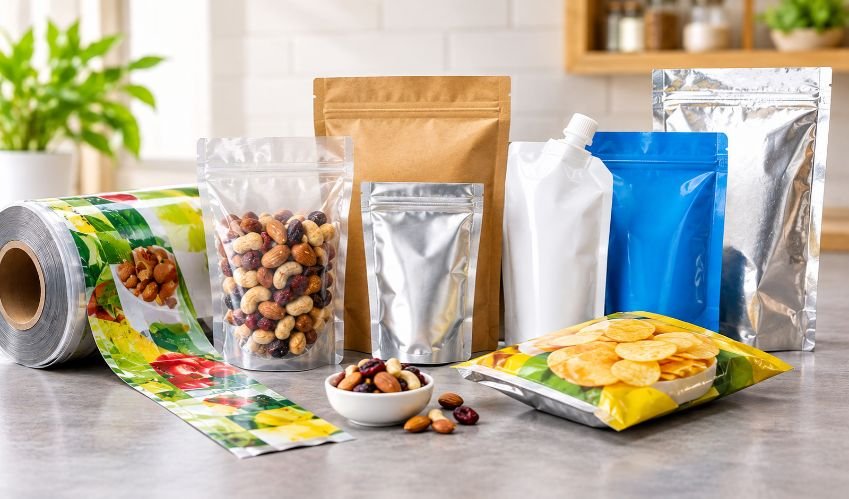
Flexible Packaging is set to play a bigger role in the packaging Industry flexible packaging due to the demand of innovative and easy to use yet economical and packaging formats, Flexible packaging is gaining popularity in the packaging world. Flexible packaging/shippers can be made from laminates, papers, plastic films, aluminium foils and a host of other flexible materials.

Flexible packaging is on the rise and presenting new opportunities across a range of sectors including food and beverage, personal care, pharma, household products and other consumer industries. Companies are leveraging these formats to make products more convenient, transport them more efficiently and meet rising consumer demands. Alongside these developments, advances in packaging materials and printing technology are enabling companies to develop more innovative, functional and attractive packaging.

Flexible Packaging Market Growth Creating Business Opportunities

According to the latest report by Expert Market Research, the global flexible packaging market was valued at USD 278.60 Billion in 2025 and is projected to reach USD 445.24 Billion by 2035, expanding at a CAGR of 4.80% between 2026 and 2035.

This translates into an increased number of packaging equipment manufacturing, material production, printing, converting and other similar technologies business opportunities. With the continuous emergence of new products in different industries and the frequent introduction of new packaging forms, the demand for flexible solutions will also increase.

This opens up possibilities for the manufacturers to innovate for specialised packaging according to the requirements of the product. As an example, food manufacturers may prefer a package that offers moisture and oxygen barriers, but pharmaceutical manufacturing may concentrate on package protection, hygiene, and stability – and these requirements are inspiring packaging innovators for different applications.

Rising Demand for Convenient Packaging

Consumer lifestyles are moving quickly, and convenience plays a key factor when buying and using products. Flexible packaging meets this requirement through the presence of lightweight pouches, resealable bags, disposable sachets and easy-to-open formats.

Convenience-led packaging offers opportunities for brands to make packaging stand out in busy environments; resealable packaging may help consumers to store a product after opening, and portable smaller formats may be used for on-the-go consumption.

The F&B industry has a huge opportunity here. They are already switching to packaging formats that are easy to carry, open, consume, and store – snacks, ready-to-eat meals, frozen foods, drinks, sauces, and others. As you see rising consumption, it’s the time for you to try a new packaging format to make food easier to consume.

Opportunities Through Lightweight Packaging

Lightweight flexible packaging also has a key benefit: it’s lightweight. In comparison to many rigid formats, flexible packaging generally uses less material and takes up less space in transit and storage.

This could present an opportunity for companies to optimise the packaging process across the supply chain. According to the product and the packaging design, lightweight packaging offers the possibility to carry more stock of the product in the same space.

Smaller packaging can be easier for retailers and ecommerce companies too, as products need to be shipped, stacked and moved as products along distribution channels. Manufacturers may look at flexible packaging options that still ensure product integrity and its conveyance and warehousing.

Customisation and Brand Differentiation

Packaging can be used as a means of communication for industry too. Flexible packaging provides some exciting options for the industry to get experimental with different shapes, sizes, colours, finishes and printing.

Customers are able to see product info, logos, images, directions and other details on the packaging when printed in high quality. This offers companies more opportunities to create eye-catching product displays in stores and e-commerce channels.

For smaller and new brands flexible packaging can offer a way to create packaging that is aligned to your brand, avoiding the need to use traditional rigid packs. Custom pack pouches and bags can be created for each product range and target audience.

Growth of E-Commerce Supporting Flexible Packaging

Another avenue is set to open up for flexible packaging firms, as the growth of the e-commerce sector is driving demand for reliable, protection-providing packaging that can be shipped with ease.

Flexible packaging is ideal for products where rigid containers are not a requirement. Their light weight and space-saving characteristics can encourage companies to explore other packaging options for its fulfilment and shipping.

Many e-commerce brands are also turning their attention to the unboxing experience. Creating visually appealing, flexible packaging can not only protect your product but provides a great canvas to help communicate your brand’s story.

Sustainability Driving Packaging Innovation

Innovation in Sustainable Flex Pack Sustainability is rapidly emerging as an important focus area for innovative companies within the flexible industry. Packaging waste, material consumption, recyclability and resource efficiency are becoming focal points for companies, consumers and regulators.

This is prompting packaging converters to consider recyclable constructs, mono-material offerings, bio-based materials, down-gauged films, and other strategies to improve the functional and environmental profile of packages.

For companies, this provides new incentives to fund new materials and technologies that meet changing market needs. Sustainable solutions also need to look at the whole packaging lifecycle, however, from protecting the product to material recovery, the transport network and overall resources.

Businesses that are able to optimize packaging to meet a need for functionality, price, food protection and sustainability could unlock new markets in a number of sectors.

Flexible Packaging Supporting Product Innovation

Flexible packaging vendors are also benefiting from new product categories. Several companies are introducing new products in all shapes and sizes to meet consumers’ diverse needs. Packaging firms will need to offer solutions that are appropriate.

Flexible packaging can be designed with a range of size options: Sachets, small pouches for trial size, travel and single serve applications Larger flexible bags for household products, pet food and other bulk consumer goods.

Such flexibility gives companies the opportunity to experiment with various product format and pack size options. Market expansion can also be achieved through the use of variations in pack and size options, catering for different consumers and purchase occasions.

Technology Creating New Packaging Opportunities

Technology is revolutionising the way in which flexible packaging is designed and created. Digital printing, upgraded barrier properties, automation and enhanced conversion technologies are enabling producers to create increasingly complex pack formats.

Digital printing may enable shorter production runs and increased flexibility in the design of packaging. This has the potential to be advantageous for businesses trying out new products, or for companies that wish to introduce the packaging for a product in a limited edition. 

Smart packaging can incorporate features like QR codes or similar digitally connected mechanisms, giving consumers a chance to receive more information about the product and a way of engaging with the brand.

Automation and new manufacturing technologies could also support more efficient and more uniform manufacturing of the products. As these technologies evolve, packaging companies can enhance their capabilities while also offering more tailored customer solutions.

Expanding Applications Across Industries

Flexible Packaging Industry Is Growing Not just food & beverages but even pharmaceuticals, personal care & cosmetics, household items, agriculture and more.

In pharmaceuticals, flexible formats can enable the packaging of medicines and other healthcare products where the protection of the content and ease of handling are key. Personal care and cosmetics brands can utilise pouches, sachets and flexible tubes to package products from creams to liquids.

The extensive application base offers packaging firms opportunities to further expand their customer mix. Firms can also create and tailor materials and formats for industries with precise performance needs.

Future Business Opportunities in Flexible Packaging

Trends driving the growth of flexible packaging The trends that will drive flexible packaging growth are evolving consumer needs, technological developments, sustainability demands and wider application. From material innovation to printing, manufacturing and packaging formats, companies at every stage of the packaging value chain have a chance to capitalize.
For brands, flexible packaging offers a convergence of convenience, customisation, product protection and supply-chain efficiency. 

For manufacturers of packaging, sustained demand from a number of end-use segments can provide opportunities for new product development and access to new markets.

By keeping pace with the evolution of flexible packaging, companies that focus on their customers’ needs and apply the appropriate technology will be in a position to open new frontiers in packaging design and new markets.

Author Bio

Satiyam Kumar is a digital marketer and SEO expert working at Expert Market Research. He has experience in SEO, content strategy, and digital marketing, with a focus on creating useful, search-friendly content and helping businesses improve their online visibility. 

Pakistani Designer Clothes UK

Are Pakistani Designer Clothes in the UK Priced Fairly? A Cost Breakdown

Pakistani designer clothes UK shoppers often compare can show large price differences even when two outfits look similar in online photographs. A three-piece suit may cost around £45, while another may approach £100 or more. The difference is not always based on the designer name alone. Fabric, embroidery, number of pieces, stitching, imported stock, delivery, packaging, retailer overheads, and seasonal demand can all affect the final price. Understanding these cost factors makes it easier to assess whether a dress offers reasonable value for its materials, design, and service rather than judging the price only by appearance.

What Makes Pakistani Designer Clothes UK Prices Different?

Price variation usually starts with the construction of the outfit. A simple printed lawn two-piece requires less material, decoration, and production time than a heavily embroidered three-piece made with premium fabric. A ready-to-wear suit can also include stitching, finishing, pressing, quality inspection, packaging, and UK fulfilment costs.

Brand positioning adds another layer. Established Pakistani fashion labels may invest heavily in original prints, seasonal collections, design development, embroidery patterns, photography, and quality control. Those expenses can become part of the retail price. A lower-priced outfit is not automatically poor quality, while a higher-priced outfit is not automatically better quality.

  1. Fabric and Material Costs

Fabric is one of the clearest factors behind the price of Pakistani clothing. Lightweight lawn is generally associated with warm-weather collections and everyday wear, while cotton, khaddar, organza, jacquard, velvet, raw silk, and other richer materials can increase the cost.

Fabric quality also affects how a garment falls, feels, and performs after washing. A printed lawn suit with limited decoration may sit in a lower price range, while premium festive fabric with multiple layers or textured surfaces can move into a higher range. Material should therefore be considered before comparing two dresses only by their final price.

  1. Embroidery and Decorative Work

Embellishment can create a major price difference. Printed patterns normally require less labour than detailed embroidery. Threadwork, sequins, beads, mirrors, tilla, lace, borders, and embroidered dupattas add material and production time.

A heavily decorated formal suit can therefore cost considerably more than a simple daily-wear design. Hand-finished details can carry additional labour costs, while machine embroidery may provide a different balance between appearance and price. Checking the level and placement of embroidery helps explain a large part of the difference between entry-level and luxury Pakistani designer dresses UK shoppers see online.

  1. Number of Pieces and Stitching

A one-piece kurta, two-piece outfit, and three-piece suit should not be treated as identical products. A three-piece set normally includes a shirt, trousers, and dupatta, meaning additional fabric, cutting, stitching, finishing, and packaging may be involved.

Ready-made Pakistani suits also contain a convenience cost because stitching has already been completed. Unstitched fabric can appear cheaper, but tailoring costs, fitting adjustments, and time can increase the final spend. A fair comparison should therefore compare like with like: one-piece against one-piece, two-piece against two-piece, and ready-to-wear against ready-to-wear.

  1. Import, Shipping, and UK Retail Costs

Pakistani fashion sold in the UK carries expenses beyond production in Pakistan. International freight, customs-related costs, currency movement, storage, packaging, staff, payment processing, marketing, and domestic delivery can all influence retail pricing.

A UK-based stockist holding inventory locally may also have warehouse and quality-control costs, but local stock can reduce the uncertainty associated with overseas ordering. Filhaal UK states that listed in-stock products are held in a UK warehouse, with delivery services offered across the UK. The homepage currently advertises free UK shipping for orders above £100.

  1. A Practical UK Price Breakdown

Current Filhaal UK listings provide a useful real-world reference for different price levels. Several Azure two-piece collections are listed at £44.99, while multiple Azure three-piece collections are listed at £89.99. The site also shows lower-priced single-piece kurta options at £14.99 on sale. These examples demonstrate how product type, collection, and construction can create wide price differences within the same retailer.

  •   Around £15: basic or sale one-piece options, often suited to casual use.
  •   Around £45: two-piece ready-to-wear outfits with a stronger fashion finish.
  •   Around £75–£90: many three-piece festive or luxury-lawn style collections.
  •   Above £100: more elaborate formals, premium fabrics, heavier embroidery, or higher-end designer positioning may appear.

These are reference points rather than fixed UK market rules. Collection, sale status, brand, fabric, embroidery, and availability can change the final price.

How to Tell Whether a Suit Offers Fair Value

Fair pricing should be judged against what is included rather than the price alone. A useful check starts with fabric type, number of pieces, embroidery coverage, lining, stitching quality, brand authenticity, and finishing.

Product photographs also deserve careful attention. Close-up views can reveal whether decoration is printed, embroidered, appliquéd, or embellished. Product descriptions can clarify fabric composition and whether trousers and dupatta are included. Authenticity matters as well because an unusually low price for a supposedly premium designer piece may reflect a replica, incomplete set, old stock, or an inaccurate listing. Filhaal UK identifies authenticity and physical UK stock as part of its retail model.

Designer Price vs Actual Wearability

A higher price can make sense when an outfit is intended for weddings, Eid, formal dinners, or other occasions where heavier detailing is appropriate. For regular wear, a lower-priced lawn or printed suit may provide more practical value.

Cost per wear is another useful measure. A versatile three-piece that can be styled separately may provide more long-term use than a highly decorated outfit designed for one event. Colour, fabric durability, wash requirements, and the ability to combine pieces with existing wardrobes can all affect practical value.

When a Lower Price Needs Extra Checking

Extremely low prices deserve closer inspection when the listing claims to be a current premium designer collection. Checking the seller, product name, fabric, included pieces, size information, return policy, and authenticity details can reduce the risk of paying for an item that does not match the description.

Sales are different from suspicious pricing. Genuine retailers may reduce prices for seasonal clearance, older collections, limited sizes, or stock management. A discounted product can therefore still be authentic and well made. The key is understanding why the price has changed.

Why UK-Based Stock Matters

A UK-based inventory can add practical value through shorter domestic delivery routes, local customer support, and easier access to return policies. Filhaal UK describes its operation as a UK e-commerce store focused on Pakistani, Indian, and South Asian women’s clothing, with collections covering ready-to-wear, unstitched clothing, embroidered pieces, accessories, and designer wear. The store lists established Pakistani brands including Maria B, Asim Jofa, Baroque, Limelight, Sana Safinaz, Sapphire, and others.

For Pakistani designer clothes UK shoppers, comparing the full purchase experience can be more useful than comparing the ticket price alone. Delivery terms, stock location, authenticity, returns, product detail, and included pieces all contribute to the overall cost.

Filhaal UK and the Value of a Clear Price Structure

Filhaal UK offers Pakistani clothing across different price levels, making it possible to compare casual, ready-to-wear, festive, and detailed designer options within one UK-based store. Current listings include lower-priced single pieces, mid-range two-piece outfits, and three-piece collections around £75–£90, alongside numerous Pakistani designer brands. UK-held inventory, product quality checks, delivery options, and a published returns process add practical factors alongside the clothing price. For shoppers assessing Pakistani designer clothes UK prices, these details provide a clearer basis for comparing cost with fabric, design, convenience, authenticity, and intended use.

unnamed (17)

Durable Custom Hot Paper Rolls For Food Service

Custom hot paper is an essential item for food businesses that want to keep meals warm and presentable. When people buy hot food on the go, they expect it to stay warm until they eat. Wrapping items properly helps trap heat and stop grease from leaking through. Small cafes and busy bakeries use special wrapping sheets to protect their food and make packaging look neat. Good packaging improves the overall customer experience without adding stress to daily kitchen operations. Business owners appreciate how simple wraps keep everything tidy while customers enjoy meals that feel freshly prepared.

Quality Material Choices

Custom Hot Paper Wholesale helps shop owners buy reliable wrapping materials in large quantities for daily use. Getting supplies in bulk ensures the kitchen never runs out during busy rush hours. Strong paper holds up well against warm steam and greasy foods without tearing easily. Cooks can wrap burgers and sandwiches quickly knowing the material will stay intact until someone opens it. Having dependable supplies on hand lets staff focus entirely on preparing great food for hungry customers every single day.

Brand Image Boost

Custom Printed Hot Paper allows local eateries to custom hot paper with logo  when they unpack their lunch at a desk or park bench. Seeing a familiar emblem builds trust and makes the food experience feel more authentic and special. Small shops grow their recognition naturally as people carry branded items around town. Simple visual branding turns ordinary takeout into a memorable part of the daily routine for loyal local patrons.

Logo Printing Options

Custom Hot Paper With Logo turns basic food wraps into smart marketing tools for growing restaurants. Clean ink prints look sharp against plain paper backgrounds without overpowering the meal inside. People appreciate seeing a distinct stamp of quality on their food containers. Restaurant owners can choose simple designs that match their store interior and overall theme. Thoughtful branding makes local dining spots look established and professional to every person walking through the door.

Freshness Protection Layer

Customized Hot Wrapping Paper acts as a dependable shield against moisture and oil leaks during transit. Greasy foods can ruin paper bags quickly if the internal layer fails to block oils. Specially treated sheets keep the outer packaging clean and dry even when handling greasy fries or juicy burgers. Delivery drivers and customers appreciate neat packaging that does not leave messy stains behind. Reliable protection keeps hands clean and makes eating on the go much more pleasant.

Heat Retention Layers

Eco-friendly hot paper keeps hot meals warm while using sustainable materials that break down easily. Environmental concerns matter a lot to modern consumers who prefer businesses that care about the planet. Using responsible packaging helps shops reduce their overall waste footprint without sacrificing food quality. Customers feel good supporting brands that make thoughtful choices regarding daily operational supplies. Green solutions offer a practical way to protect meals while respecting the environment.

Grease Blocking Sheets

Custom Greaseproof Hot Paper stops oils from soaking through to the outer layers during delivery. Nobody wants a soggy paper bag holding their favorite afternoon snack or evening dinner. Treated fibers block grease effectively so sandwiches stay crisp and appetizing from the kitchen to the table. Clean packaging improves the dining experience by keeping hands free of unwanted oils. Good grease resistance is a must-have feature for any busy food establishment.

Visual Appeal Finish

Custom Printed Wrapping Hot Paper gives baked goods and hot snacks a neat, professional appearance instantly. People eat with their eyes first, so presentation plays custom greaseproof paper  a huge role in customer satisfaction. Beautiful packaging makes simple treats look like gourmet meals worth sharing with friends. Bakery owners use decorative wraps to highlight the craftsmanship behind their daily fresh creations. An attractive presentation brings a smile to the face of every customer who opens a fresh box.

Conclusion

Custom hot paper plays a vital role in keeping takeout meals warm and appealing for every hungry customer. Simple wrapping solutions protect food from grease and moisture while making every meal look neat. Local eateries benefit from reliable materials that make daily packing tasks smooth and efficient. Thoughtful packaging choices help businesses leave a positive lasting impression on everyone who enjoys their food. Quality wraps turn ordinary takeout into a satisfying and comfortable dining experience no matter where people eat.

unnamed (16)

Ultimate Guide To Custom Sandwich Paper For Modern Cafes

Getting food ready for customers takes a lot of thought and attention to detail. Every little item on the table matters when someone opens a fresh meal. Packaging plays a huge role in how people view a dining experience. Think about wrapping up a warm pastry or a juicy sub. The material holding the food needs to look good and work well. That is where custom sandwich paper comes into play for small shops and large kitchens alike. Food businesses constantly look for ways to stand out on crowded counters. Plain white sheets get boring very quickly. Adding a personal touch changes the whole vibe of the meal. People love seeing nice designs when they unwrap their lunch. It builds trust and makes the food feel special before the first bite even happens. Small cafes and busy bakeries benefit immensely from upgrading their simple wraps into branded masterpieces.

Bulk Supply Orders

Running a busy kitchen means going through wrapping materials at a staggering speed. Ordering in large quantities helps keep the pantry stocked without constant reordering hassles. Custom Sandwich Paper Wholesale options allow food business owners to grab massive stacks at reasonable rates. Saving money on essentials leaves more room in the budget for fresh ingredients and better equipment. Storage rooms stay neat when tall boxes of flat sheets sit neatly on metal shelves. Kitchen staff never have to panic about running out during the middle of the morning rush hour. Reliable suppliers make sure that every batch matches the exact color and thickness required for daily tasks. Planning with bulk shipments takes a heavy load off restaurant managers who already juggle a million different responsibilities every single day.

Printed Brand Logos

Building recognition for a local eatery takes consistency across every single touchpoint. Custom Printed Sandwich Paper turns a standard meal wrapper into a mobile billboard for the business. Customers carrying takeout bags down the street become walking advertisements for the cafe. Vibrant inks display brand names and cute graphics custom sandwich paper with logo clearly without bleeding through the material. People notice these little artistic flourishes when they sit down at park benches or office desks. Designers work closely with shop owners to ensure logos fit nicely within the dimensions of the sheet. Every wrap becomes an opportunity to remind diners where they bought their delicious lunch. Loyal patrons often take photos of their meals to share online, which brings even more free attention to the establishment.

Distinctive Visual Identity

Making a memorable impression requires more than just good food and friendly service. Custom Sandwich Paper With Logo elements gives establishments a distinct personality that people remember long after the meal ends. Distinct typography and charming symbols create a cohesive look across all takeout items. Competitors often stick to generic wrappers that blend into the background of a busy lunch hour. Standing out takes a bold choice to brand even the simplest elements of food service. Regular visitors begin to associate the unique patterns with the comforting taste of their favorite sandwiches. Consistency in branding builds strong emotional connections between customers and the local businesses they choose to support week after week.

Tailored Sheet Dimensions

Every food item demands a specific size for neat, tidy wrapping results. Customized Sandwich Wrapping Paper options let kitchens choose exact measurements that fit everything from tiny cookies to massive club subs. Excess material gets folded away neatly without creating bulky paper balls that frustrate hungry diners. Cooks work much faster when sheets come pre-cut to the ideal proportions for their specific menu items. No one wants to waste time grabbing scissors or tearing ragged edges off giant rolls during peak hours. Precise sizing ensures that grease stays trapped inside and sauces never leak through onto clothes or tables. Efficient preparation keeps lines moving quickly and keeps customers smiling throughout the entire afternoon rush.

Natural Material Choices

Environmental consciousness guides many modern consumer choices regarding dining and takeout habits. Eco-Friendly Sandwich Paper options provide a sustainable path forward for businesses wanting to reduce their environmental footprint. Biodegradable fibers break down naturally over time without leaving harmful plastics behind in local landfills. Customers feel much better about buying lunch when they know the packaging respects the planet. Paper mills utilize responsibly sourced pulp to manufacture sheets that feel sturdy yet gentle on nature. Switching to green materials proves that a shop cares deeply about the community and the future of the earth. Sustainable choices resonate strongly with younger generations who actively seek out responsible local eateries.

Oil Resistance Guard

Greasy foods taste amazing but cause messy problems if the wrapping material fails under pressure. Custom Greaseproof Sandwich Paper creates a reliable barrier against butter and oils that ruin clothing and table surfaces. Special coatings prevent moisture from soaking through the outer layers while keeping the bread soft and fresh. Diners can enjoy messy burgers or loaded paninis without worrying about grease dripping onto their hands or laps. Kitchen staff appreciate how easily greasy items slide off the treated surfaces without tearing the delicate fibers underneath. Clean hands and tidy tables lead to a much more pleasant dining experience for everyone involved in the meal. Quality protection ensures that the food remains intact and appetizing from the kitchen counter to the final bite.

Attractive Surface Prints

Visual appeal enhances the enjoyment custom greaseproof paper  of any meal before the first bite even takes place. Custom Printed Wrapping Sandwich Paper transforms ordinary meals into colorful presentations that brighten up any table setting. Delicate patterns or bold geometric designs add a touch of elegance to casual lunchtime snacks. Bakers and sandwich makers take pride in sending out food that looks as incredible as it tastes. Customers appreciate the extra effort put into making their takeout experience feel thoughtful and refined. Beautiful packaging turns a regular Tuesday lunch into a memorable occasion worth sharing with friends and coworkers. Artistry on the wrapper adds genuine value to the entire dining experience without overcomplicating the preparation process.

Conclusion

Creating a wonderful dining experience involves paying attention to the smallest details of food presentation. Custom sandwich paper brings both practical utility and visual charm to any bustling cafe or sandwich shop. Selecting the right materials keeps meals fresh and protects tables from messy oils throughout the day. Branded sheets help local eateries build lasting recognition in crowded neighborhoods while delighting hungry customers with thoughtful design touches. Investing in quality wrapping supplies supports smooth daily operations and leaves a lasting impression on everyone who grabs a bite to eat. Simple upgrades transform standard takeout routines into something truly special and memorable for the entire community.


unnamed (15)

Custom Heat-Seal Paper Is Great For Your Business

Every small business owner wants to keep food fresh. You might sell cookies at a local market. You might wrap sandwiches in a busy cafe. You need a reliable material that protects your items. You also want your packaging to look nice. Many shops now use custom heat-seal paper for daily tasks. This special wrap keeps moisture out and seals tightly with heat. You can fold it easily around any snack. Your customers will notice the clean look right away. This simple upgrade helps your brand stand out from nearby competitors. 


Packaging Choice

People often struggle to find safe wraps for fresh baked goods. Traditional plastic bags harm the environment and look cheap. Paper bags let grease leak through very fast. Business owners need a better middle ground. You can choose custom heat-seal paper Wholesale to solve this daily storage problem. Buying large amounts saves money for your growing shop. Your kitchen staff will wrap items faster during rush hours. The shiny coating blocks oils and keeps pastries soft. You get happy buyers and lower supply costs at the same time.


Brand Identity

Running a local bakery requires constant effort to build recognition. Plain white wrappers do not tell your unique story. You want patrons to remember your name after they leave. Business owners often order custom printed heat-seal paper to display brand art. Your logo sits proudly on the outside of every sandwich wrapper. People walking down the street will see your colors on the go. This free marketing creates instant curiosity among potential new buyers. Your everyday packaging becomes a powerful tool for visual promotion.


Professional Look

First impressions matter a lot in the food service sector. Customers judge the quality of a meal by its outer wrapper. Messy packaging makes people lose their appetite quickly. Store owners often prefer custom heat-seal paper with a logo to elevate presentation standards. Your signature stamp looks sharp and neat on every folded edge. People appreciate the extra care you put into your product design. This professional touch builds deep trust with your regular neighborhood clients. Your brand starts to feel established and reliable.


Unique Style

Standard supplies rarely match the creative vibe of artisan brands. You might want a specific shade that matches your store walls. Standard distributors only offer boring stock designs. Creative teams often design customized heat seal paper to match unique shop aesthetics. You can pick soft pastel tones or bold earthy colors. The wrapper becomes an extension of your interior decor. Clients enjoy the cohesive visual experience from the moment they walk in. Your business feels thoughtful and well organized.


Sheet Format

Busy sandwich shops need fast solutions during lunch rushes. Fumbling with huge rolls slows down kitchen operations significantly. Staff members require quick access to ready sizes. Kitchen managers frequently buy custom heat-sealable paper Sheets to speed up daily output. These pre-cut pieces sit neatly right next to the prep station. Workers grab a single sheet without wasting any precious seconds. The workflow stays smooth and steady even on very crowded Saturdays. Your service times drop and customer satisfaction rises.


Roll Options

Large bakeries produce hundreds of loaves every single morning. Pre-cut sheets might run out too fast for high-volume producers. Facilities require continuous wraps for long conveyor lines. Production teams regularly invest in custom heat-sealable paper Rolls for heavy factory use. The continuous material feeds smoothly into automatic cutting machines. Operators adjust lengths based on the size of each baked loaf. This flexible setup reduces material waste and keeps factory floors productive. Your team saves time while managing large production runs efficiently.


Bulk Orders

Running out of essential packaging halts business operations instantly. Waiting for late shipments frustrates owners and loyal patrons. Smart managers always maintain strong backup supplies in the back room. Restaurant owners frequently secure Custom heat seal paper In Bulk to avoid unexpected shortages. Storing extra boxes ensures you never miss a beat during holiday seasons. Prices drop lower when you purchase large quantities ahead of time. Your storage closet stays full, and your mind stays completely at ease.


Wholesale Savings

New cafe owners often worry about custom greaseproof paper high operating expenses. Every dollar spent on supplies cuts into monthly profit margins. Finding affordable materials requires careful research and smart planning. Smart buyers often look for Wholesale custom heat seal paper to protect their bottom line. Lower material costs let you invest money back into your kitchen equipment. You keep prices fair for your neighborhood customers while maintaining healthy earnings. Your business stays profitable and grows steadily over the years.


Conclusion

Finding the right packaging changes how customers view your daily work. A neat wrap keeps pastries fresh and shows off your unique brand style. You do not need complicated marketing tricks to grow a loyal following. Simple upgrades like custom heat seal paper make a huge difference in client trust. Your food stays protected,d and your logo gets noticed on busy streets. Start exploring your packaging options today and watch your local business thrive.

fins88

fins88

mister138

nona88

slot

fins88

nona88/

mister138

slot777

milenium88

mister138

fins88

slot bet 200

nona88

tirto88

tirto88

tirto88

tirto88

tirto88

tirto88

slot777

wijaya88

plaza88

crazyrich88

star88

untung88

misteruntung88

slot mahjong

untung88

untung365

genting138

slot gacor

spaceman

jembatan bekasi

slot gacor hari ini

jembatan bekasi

pragmatic slot

slot depo 5 ribu

slot77

slot scatter hitam

slot

slot mahjong gacor

slot

mahjong slot

slot princess

slot scatter hitam

rtp slot

kamboja slot

slot pragmatic

live casino online

slot server luar

nexus slot

judi bola online

sbobet88

slot77

slot777

slot 5000

pg

pg

pg

PUSATGAME

depo

depo

slot gacor

nona88

nona88

untung88/

fins88/

Shopping cart close