Pakistani designer clothes UK shoppers often compare can show large price differences even when two outfits look similar in online photographs. A three-piece suit may cost around £45, while another may approach £100 or more. The difference is not always based on the designer name alone. Fabric, embroidery, number of pieces, stitching, imported stock, delivery, packaging, retailer overheads, and seasonal demand can all affect the final price. Understanding these cost factors makes it easier to assess whether a dress offers reasonable value for its materials, design, and service rather than judging the price only by appearance.
What Makes Pakistani Designer Clothes UK Prices Different?
Price variation usually starts with the construction of the outfit. A simple printed lawn two-piece requires less material, decoration, and production time than a heavily embroidered three-piece made with premium fabric. A ready-to-wear suit can also include stitching, finishing, pressing, quality inspection, packaging, and UK fulfilment costs.
Brand positioning adds another layer. Established Pakistani fashion labels may invest heavily in original prints, seasonal collections, design development, embroidery patterns, photography, and quality control. Those expenses can become part of the retail price. A lower-priced outfit is not automatically poor quality, while a higher-priced outfit is not automatically better quality.
- Fabric and Material Costs
Fabric is one of the clearest factors behind the price of Pakistani clothing. Lightweight lawn is generally associated with warm-weather collections and everyday wear, while cotton, khaddar, organza, jacquard, velvet, raw silk, and other richer materials can increase the cost.
Fabric quality also affects how a garment falls, feels, and performs after washing. A printed lawn suit with limited decoration may sit in a lower price range, while premium festive fabric with multiple layers or textured surfaces can move into a higher range. Material should therefore be considered before comparing two dresses only by their final price.
- Embroidery and Decorative Work
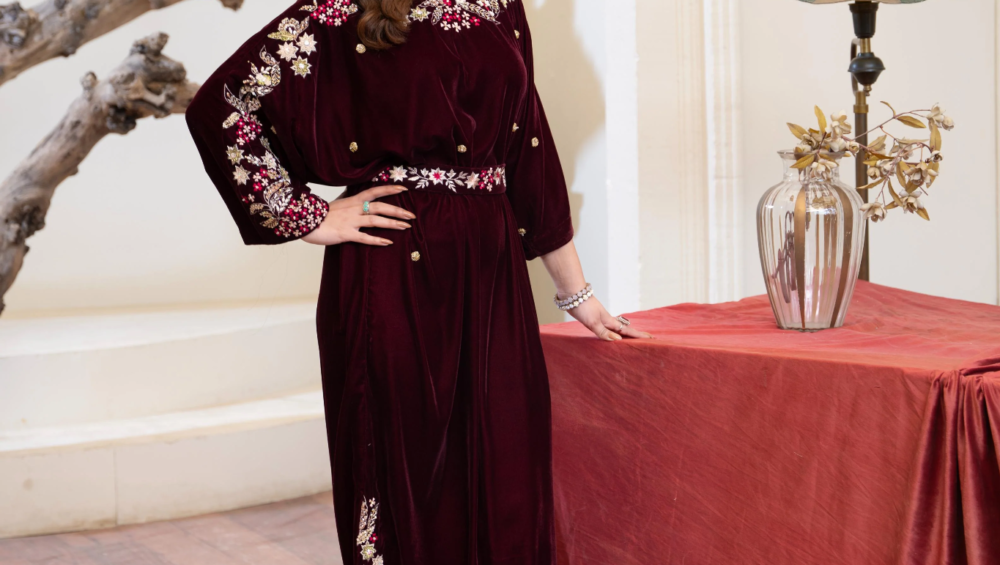
Embellishment can create a major price difference. Printed patterns normally require less labour than detailed embroidery. Threadwork, sequins, beads, mirrors, tilla, lace, borders, and embroidered dupattas add material and production time.
A heavily decorated formal suit can therefore cost considerably more than a simple daily-wear design. Hand-finished details can carry additional labour costs, while machine embroidery may provide a different balance between appearance and price. Checking the level and placement of embroidery helps explain a large part of the difference between entry-level and luxury Pakistani designer dresses UK shoppers see online.
- Number of Pieces and Stitching
A one-piece kurta, two-piece outfit, and three-piece suit should not be treated as identical products. A three-piece set normally includes a shirt, trousers, and dupatta, meaning additional fabric, cutting, stitching, finishing, and packaging may be involved.
Ready-made Pakistani suits also contain a convenience cost because stitching has already been completed. Unstitched fabric can appear cheaper, but tailoring costs, fitting adjustments, and time can increase the final spend. A fair comparison should therefore compare like with like: one-piece against one-piece, two-piece against two-piece, and ready-to-wear against ready-to-wear.
- Import, Shipping, and UK Retail Costs
Pakistani fashion sold in the UK carries expenses beyond production in Pakistan. International freight, customs-related costs, currency movement, storage, packaging, staff, payment processing, marketing, and domestic delivery can all influence retail pricing.
A UK-based stockist holding inventory locally may also have warehouse and quality-control costs, but local stock can reduce the uncertainty associated with overseas ordering. Filhaal UK states that listed in-stock products are held in a UK warehouse, with delivery services offered across the UK. The homepage currently advertises free UK shipping for orders above £100.
- A Practical UK Price Breakdown
Current Filhaal UK listings provide a useful real-world reference for different price levels. Several Azure two-piece collections are listed at £44.99, while multiple Azure three-piece collections are listed at £89.99. The site also shows lower-priced single-piece kurta options at £14.99 on sale. These examples demonstrate how product type, collection, and construction can create wide price differences within the same retailer.
- Around £15: basic or sale one-piece options, often suited to casual use.
- Around £45: two-piece ready-to-wear outfits with a stronger fashion finish.
- Around £75–£90: many three-piece festive or luxury-lawn style collections.
- Above £100: more elaborate formals, premium fabrics, heavier embroidery, or higher-end designer positioning may appear.
These are reference points rather than fixed UK market rules. Collection, sale status, brand, fabric, embroidery, and availability can change the final price.
How to Tell Whether a Suit Offers Fair Value
Fair pricing should be judged against what is included rather than the price alone. A useful check starts with fabric type, number of pieces, embroidery coverage, lining, stitching quality, brand authenticity, and finishing.
Product photographs also deserve careful attention. Close-up views can reveal whether decoration is printed, embroidered, appliquéd, or embellished. Product descriptions can clarify fabric composition and whether trousers and dupatta are included. Authenticity matters as well because an unusually low price for a supposedly premium designer piece may reflect a replica, incomplete set, old stock, or an inaccurate listing. Filhaal UK identifies authenticity and physical UK stock as part of its retail model.
Designer Price vs Actual Wearability
A higher price can make sense when an outfit is intended for weddings, Eid, formal dinners, or other occasions where heavier detailing is appropriate. For regular wear, a lower-priced lawn or printed suit may provide more practical value.
Cost per wear is another useful measure. A versatile three-piece that can be styled separately may provide more long-term use than a highly decorated outfit designed for one event. Colour, fabric durability, wash requirements, and the ability to combine pieces with existing wardrobes can all affect practical value.
When a Lower Price Needs Extra Checking
Extremely low prices deserve closer inspection when the listing claims to be a current premium designer collection. Checking the seller, product name, fabric, included pieces, size information, return policy, and authenticity details can reduce the risk of paying for an item that does not match the description.
Sales are different from suspicious pricing. Genuine retailers may reduce prices for seasonal clearance, older collections, limited sizes, or stock management. A discounted product can therefore still be authentic and well made. The key is understanding why the price has changed.
Why UK-Based Stock Matters
A UK-based inventory can add practical value through shorter domestic delivery routes, local customer support, and easier access to return policies. Filhaal UK describes its operation as a UK e-commerce store focused on Pakistani, Indian, and South Asian women’s clothing, with collections covering ready-to-wear, unstitched clothing, embroidered pieces, accessories, and designer wear. The store lists established Pakistani brands including Maria B, Asim Jofa, Baroque, Limelight, Sana Safinaz, Sapphire, and others.
For Pakistani designer clothes UK shoppers, comparing the full purchase experience can be more useful than comparing the ticket price alone. Delivery terms, stock location, authenticity, returns, product detail, and included pieces all contribute to the overall cost.
Filhaal UK and the Value of a Clear Price Structure
Filhaal UK offers Pakistani clothing across different price levels, making it possible to compare casual, ready-to-wear, festive, and detailed designer options within one UK-based store. Current listings include lower-priced single pieces, mid-range two-piece outfits, and three-piece collections around £75–£90, alongside numerous Pakistani designer brands. UK-held inventory, product quality checks, delivery options, and a published returns process add practical factors alongside the clothing price. For shoppers assessing Pakistani designer clothes UK prices, these details provide a clearer basis for comparing cost with fabric, design, convenience, authenticity, and intended use.